
Distillery Flooring Specialists
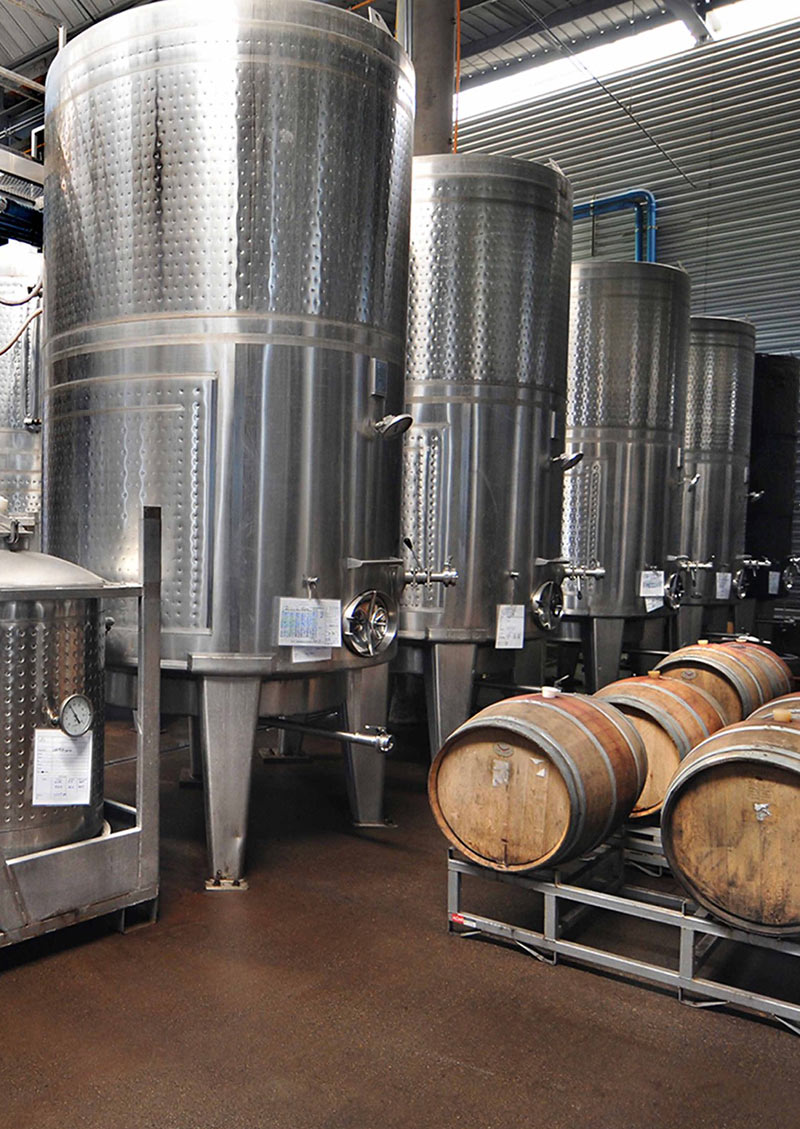
Crafting Distillery Success
While distilling alcohol might sound like a party, it’s also a technical science with plenty of rules surrounding the production process. As such, the process must be carefully engineered from the ground up, in the most literal sense.
Whether you’re planning a new build or replacing your existing floor covering, it’s important to consider your options before making any big decisions.
When it comes to distillery flooring, there are several important factors to consider to ensure that you’re investing in the best material for the job.
Below are 4 key considerations to keep in mind when it comes to choosing distillery floors.:
4 Critical Considerations for Distillery Flooring
1 – Texture
The texture of your distillery flooring can impact both safety and cleanliness. For example, a floor that is too smooth or has a waxy consistency can be a slipping hazard, while a rough or uneven texture can make it challenging to keep the floor clean. Look for a specifically designed, non-slip material that won’t cling to dirt.
2 – Toughness
Distilleries are prone to breakage and spillage, so it is important to choose flooring that can withstand impact and heavy equipment. Additionally, any damage to the floor can lead to pooling water, which can create further safety hazards.
3 – Cleanliness
A clean floor is essential for meeting health and safety regulations in a distillery. Look for a flooring material resistant to spillages and other substances, such as acid, that won’t absorb bacteria or microbes.
4 – Protection
With constant spillage exposure and high temperatures, distillery flooring must be tough and durable. For concrete floors, it’s essential to use a solution to protect against the acid in spirits.
Considering these factors, you can now choose a distillery flooring option that will meet your needs for years.
Our Reccomendation – The Superior Solution for Distillery Flooring
Due to its unique properties, polyurethane cement flooring is an ideal choice for distilleries. These high-traffic environments are exposed to various chemicals, liquids, and abrasions. Polyurethane cement is highly durable and resistant to these harsh conditions, making it the perfect flooring option.
Polyurethane cement flooring can withstand impacts from heavy equipment, foot traffic, and drops of liquids and chemicals without chipping or cracking. It is also highly resistant to chemicals and spills, making it easy to clean and maintain.
Moreover, it is slip-resistant, which is especially important for a distillery floor where spills can occur frequently. Its slip-resistant surface helps prevent accidents and injuries, making it a safer option for employees and visitors.
Polyurethane cement flooring is available in various colours and finishes, allowing distilleries to choose a customised flooring solution that matches their aesthetic preferences.
Due to its durability, chemical resistance, and slip resistance, polyurethane cement flooring is a superior choice for distilleries.
Read more about Distillery Flooring from our Blog.
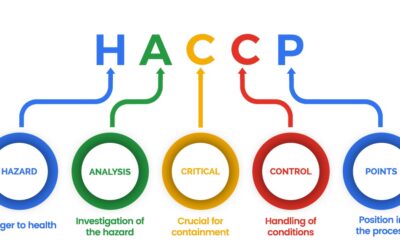
Who Provides HACCP Compliant Flooring for Food Industries in NSW?
Discover HACCP-compliant flooring for NSW food industries with Diamond Grind. Our polyurethane cement floors support hygiene, durability, and compliance for dairies, wineries, and more. With over 20 years of experience, we deliver seamless, anti-slip solutions tailored to your needs. Get your free quote today—call 1800 587 172!
What is MMA Floor Covering?
MMA floor covering (Methyl Methacrylate) is the fastest-curing resin system available in Sydney and NSW, fully hardening in just 1–2 hours even at –40 °C. Perfect for freezers, breweries, commercial kitchens, and warehouses, it delivers extreme temperature resistance, outstanding chemical protection, and minimal downtime. Discover how MMA compares to epoxy and polyurethane cement and when it’s the smartest choice for your industrial or commercial project.
Best concrete dairy flooring
Cracked, slippery concrete isn’t just a headache, it’s a risk to your herd and your bottom line. From lactic acid erosion to livestock injuries, the wrong surface can be a major liability. We’ve made this comprehensive guide on why Polyurethane Cement is the future of NSW dairy flooring. Learn how to:
Plan for a fast return to service.
Choose a slip-resistant finish suited to wet livestock areas.
Cut down washdown time.
Protect your investment and your animals.
Check out our expert tips for local farmers:
Distillery Flooring FAQs

What are the main challenges for distillery floors in NSW and how can they be addressed?
Distillery floors face issues like slip hazards from spills, impacts from heavy equipment, chemical exposure to acids in spirits, and bacterial growth risks. These can be addressed with durable, slip-resistant surfaces that comply with health and safety regulations. For tips on avoiding common pitfalls, read our blog post on Flooring Durability: Avoid Mistakes.
Distillery floors face issues like slip hazards from spills, impacts from heavy equipment, chemical exposure to acids in spirits, and bacterial growth risks. These can be addressed with durable, slip-resistant surfaces that comply with health and safety regulations. For tips on avoiding common pitfalls, read our blog post on Flooring Durability: Avoid Mistakes.
Why is polyurethane cement flooring recommended for distilleries?
Polyurethane cement offers superior resistance to chemicals, liquids, abrasions, impacts, and spills, preventing chipping or cracking while being easy to clean and maintain. It’s customisable in colours and finishes, ensuring hygiene and safety in alcohol production environments. For more details, visit our Polyurethane Cement Flooring page.
Polyurethane cement offers superior resistance to chemicals, liquids, abrasions, impacts, and spills, preventing chipping or cracking while being easy to clean and maintain. It’s customisable in colours and finishes, ensuring hygiene and safety in alcohol production environments. For more details, visit our Polyurethane Cement Flooring page.
How does distillery flooring ensure safety and hygiene compliance?
Ideal flooring provides a non-slip texture to prevent accidents from wet spills, resists acids and microbes for cleanliness, and withstands high temperatures without damage. This supports regulatory compliance in food and beverage sectors. For HACCP-related insights, check our blog post on HACCP Compliant Flooring for Food Industries in NSW.
Ideal flooring provides a non-slip texture to prevent accidents from wet spills, resists acids and microbes for cleanliness, and withstands high temperatures without damage. This supports regulatory compliance in food and beverage sectors. For HACCP-related insights, check our blog post on HACCP Compliant Flooring for Food Industries in NSW.
What should I consider when choosing flooring for a new or replacement distillery project?
Key considerations include texture for slip resistance, toughness against equipment and spills, cleanliness to resist bacteria, and protection from harsh conditions like acids and heat. Tailor to your distillery’s needs for long-term durability. For a comparison with alternatives, read our blog post on Which is Better: Epoxy or Polyurethane Cement?.
Key considerations include texture for slip resistance, toughness against equipment and spills, cleanliness to resist bacteria, and protection from harsh conditions like acids and heat. Tailor to your distillery’s needs for long-term durability. For a comparison with alternatives, read our blog post on Which is Better: Epoxy or Polyurethane Cement?.
How can I get expert advice on distillery floors in Sydney or the Central Coast?
Call us at 1800 587 172 for a 100% free, no-obligation consultation. We’ll assess your site, recommend solutions like polyurethane cement, and provide a tailored quote, serving all NSW areas today!
Call us at 1800 587 172 for a 100% free, no-obligation consultation. We’ll assess your site, recommend solutions like polyurethane cement, and provide a tailored quote, serving all NSW areas today!
✅ Let's Talk — DiamondGrind
100% free consultation — no commitment required.