
Distillery Flooring Specialists
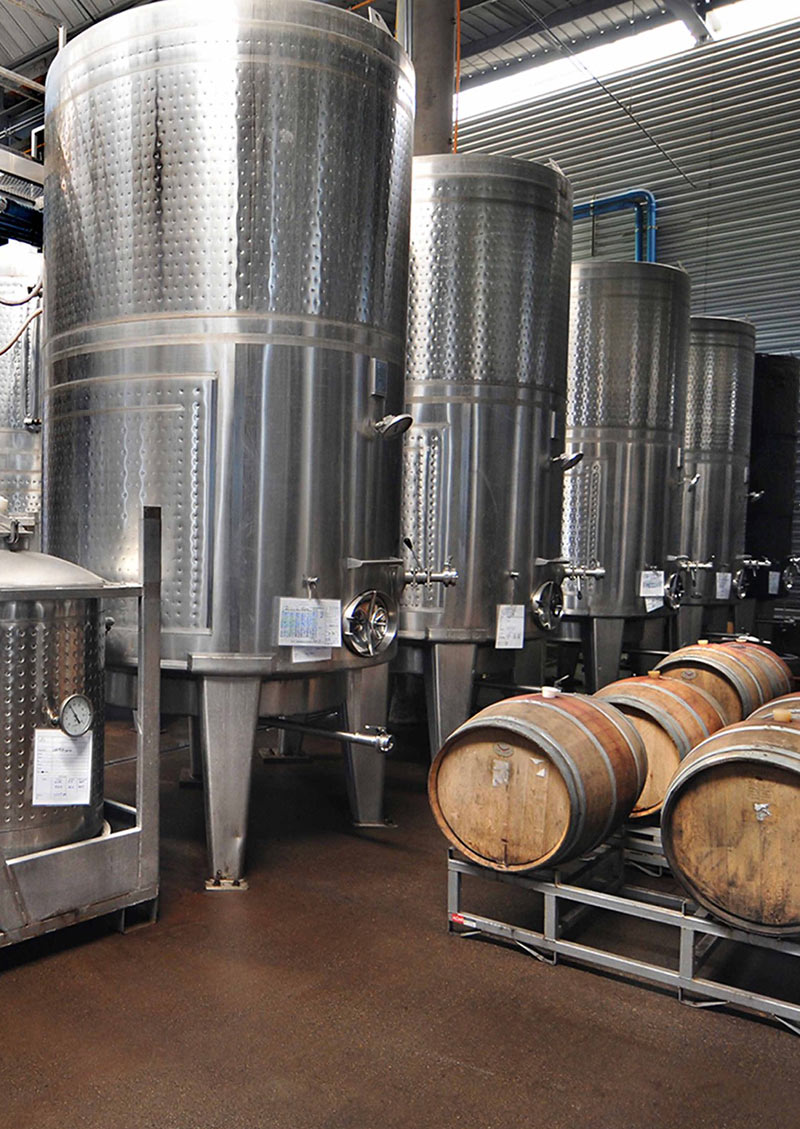
Crafting Distillery Success
While distilling alcohol might sound like a party, it’s also a technical science with plenty of rules surrounding the production process. As such, the process must be carefully engineered from the ground up, in the most literal sense.
Whether you’re planning a new build or replacing your existing floor covering, it’s important to consider your options before making any big decisions.
When it comes to distillery flooring, there are several important factors to consider to ensure that you’re investing in the best material for the job.
Below are 4 key considerations to keep in mind when it comes to choosing distillery floors.:
4 Critical Considerations for Distillery Flooring
1 – Texture
The texture of your distillery flooring can impact both safety and cleanliness. For example, a floor that is too smooth or has a waxy consistency can be a slipping hazard, while a rough or uneven texture can make it challenging to keep the floor clean. Look for a specifically designed, non-slip material that won’t cling to dirt.
2 – Toughness
Distilleries are prone to breakage and spillage, so it is important to choose flooring that can withstand impact and heavy equipment. Additionally, any damage to the floor can lead to pooling water, which can create further safety hazards.
3 – Cleanliness
A clean floor is essential for meeting health and safety regulations in a distillery. Look for a flooring material resistant to spillages and other substances, such as acid, that won’t absorb bacteria or microbes.
4 – Protection
With constant spillage exposure and high temperatures, distillery flooring must be tough and durable. For concrete floors, it’s essential to use a solution to protect against the acid in spirits.
Considering these factors, you can now choose a distillery flooring option that will meet your needs for years.
Our Reccomendation – The Superior Solution for Distillery Flooring
Due to its unique properties, polyurethane cement flooring is an ideal choice for distilleries. These high-traffic environments are exposed to various chemicals, liquids, and abrasions. Polyurethane cement is highly durable and resistant to these harsh conditions, making it the perfect flooring option.
Polyurethane cement flooring can withstand impacts from heavy equipment, foot traffic, and drops of liquids and chemicals without chipping or cracking. It is also highly resistant to chemicals and spills, making it easy to clean and maintain.
Moreover, it is slip-resistant, which is especially important for a distillery floor where spills can occur frequently. Its slip-resistant surface helps prevent accidents and injuries, making it a safer option for employees and visitors.
Polyurethane cement flooring is available in various colours and finishes, allowing distilleries to choose a customised flooring solution that matches their aesthetic preferences.
Due to its durability, chemical resistance, and slip resistance, polyurethane cement flooring is a superior choice for distilleries.
Read more about Distillery Flooring from our Blog.
Epoxy flooring hospitality venues hunter valley
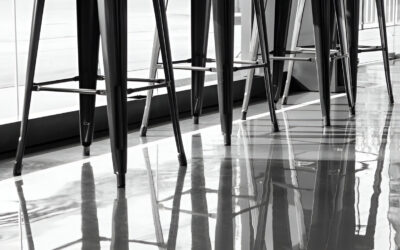
Is your venue ready for the next vintage? From the high-end cellar doors of Pokolbin to the busiest commercial kitchens in Newcastle, your floors define your space. Discover why Diamond Grind is a trusted Hunter Valley epoxy flooring specialist, delivering stunning, anti-slip floors, built with food safety in mind and made to withstand the hospitality hustle.
Food and Beverage Flooring: 3 Systems Compared, Plus DiamondCrete PU Cement
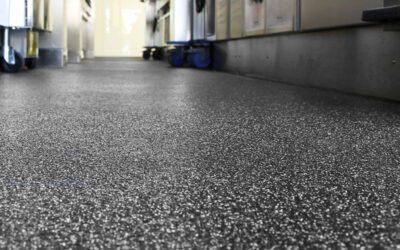
Is your facility floor a secret liability? In the high-pressure world of food production, your flooring needs to be more than just a surface—it needs to be a hygiene hero. From scorching kitchens to sub-zero cold rooms, DiamondCrete PU Cement is a leading flooring choice for the food and beverage industry. Discover how this chemical resistant and sustainable flooring solution protects your staff, supports hygiene compliance, and withstands the toughest industrial conditions.

Sustainable Industrial Flooring NSW
In the evolving landscape of sustainable industrial flooring NSW, businesses are turning to eco-friendly options like low-VOC polyurethane cement, recycled aggregate polished concrete, and bio-based epoxy coatings. These materials reduce emissions, incorporate recycled elements, and offer superior durability, chemical resistance, and cost savings through minimal maintenance.
Distillery Flooring FAQs

What are the main challenges for distillery floors in NSW and how can they be addressed?
Distillery floors face issues like slip hazards from spills, impacts from heavy equipment, chemical exposure to acids in spirits, and bacterial growth risks. These can be addressed with durable, slip-resistant surfaces that comply with health and safety regulations. For tips on avoiding common pitfalls, read our blog post on Flooring Durability: Avoid Mistakes.
Distillery floors face issues like slip hazards from spills, impacts from heavy equipment, chemical exposure to acids in spirits, and bacterial growth risks. These can be addressed with durable, slip-resistant surfaces that comply with health and safety regulations. For tips on avoiding common pitfalls, read our blog post on Flooring Durability: Avoid Mistakes.
Why is polyurethane cement flooring recommended for distilleries?
Polyurethane cement offers superior resistance to chemicals, liquids, abrasions, impacts, and spills, preventing chipping or cracking while being easy to clean and maintain. It’s customisable in colours and finishes, ensuring hygiene and safety in alcohol production environments. For more details, visit our Polyurethane Cement Flooring page.
Polyurethane cement offers superior resistance to chemicals, liquids, abrasions, impacts, and spills, preventing chipping or cracking while being easy to clean and maintain. It’s customisable in colours and finishes, ensuring hygiene and safety in alcohol production environments. For more details, visit our Polyurethane Cement Flooring page.
How does distillery flooring ensure safety and hygiene compliance?
Ideal flooring provides a non-slip texture to prevent accidents from wet spills, resists acids and microbes for cleanliness, and withstands high temperatures without damage. This supports regulatory compliance in food and beverage sectors. For HACCP-related insights, check our blog post on HACCP Compliant Flooring for Food Industries in NSW.
Ideal flooring provides a non-slip texture to prevent accidents from wet spills, resists acids and microbes for cleanliness, and withstands high temperatures without damage. This supports regulatory compliance in food and beverage sectors. For HACCP-related insights, check our blog post on HACCP Compliant Flooring for Food Industries in NSW.
What should I consider when choosing flooring for a new or replacement distillery project?
Key considerations include texture for slip resistance, toughness against equipment and spills, cleanliness to resist bacteria, and protection from harsh conditions like acids and heat. Tailor to your distillery’s needs for long-term durability. For a comparison with alternatives, read our blog post on Which is Better: Epoxy or Polyurethane Cement?.
Key considerations include texture for slip resistance, toughness against equipment and spills, cleanliness to resist bacteria, and protection from harsh conditions like acids and heat. Tailor to your distillery’s needs for long-term durability. For a comparison with alternatives, read our blog post on Which is Better: Epoxy or Polyurethane Cement?.
How can I get expert advice on distillery floors in Sydney or the Central Coast?
Call us at 1800 587 172 for a 100% free, no-obligation consultation. We’ll assess your site, recommend solutions like polyurethane cement, and provide a tailored quote, serving all NSW areas today!
Call us at 1800 587 172 for a 100% free, no-obligation consultation. We’ll assess your site, recommend solutions like polyurethane cement, and provide a tailored quote, serving all NSW areas today!
✅ Let's Talk — DiamondGrind
100% free consultation — no commitment required.