
Commercial & Industrial Flooring NSW
The right floor for a factory, warehouse, food plant or retail space has to handle chemical spills, heavy vehicle traffic, cleaning regimes and safety requirements. And it has to do it every day, for years. Diamond Grind designs, prepares and installs heavy-duty commercial and industrial floors across NSW: polyurethane cement, industrial epoxy, polished concrete and MMA resin.
We’re based on the Central Coast and service the Sydney Metro area, the Central Coast, Newcastle, the Hunter Valley and as far north as Tamworth. We’re happy to travel to regional and some interstate locations.
Call 1800 587 172 for a free, no-obligation consultation.

Industries We Work With
- Food and beverage processing
- Wineries, breweries and distilleries
- Commercial kitchens and hospitality venues
- Butchers and delis
- Hotels and resorts
- Vehicle showrooms and workshops
- Aviation facilities
- Warehouses and loading docks
- Cold storage and freezers
- Shopping centres, supermarkets and retail stores
- Car parks and garages
- Health care and GMP facilities
The Four Main Commercial & Industrial Flooring Systems
1. Polyurethane Cement: Chemical and Heat Shield
For areas exposed to aggressive substances, such as organic food acids, solvents or strong cleaning chemicals, plus hot pressure washing or sudden temperature swings. It handles heavy foot and machinery traffic with minimal wear and is the standard choice for food and beverage production. More about polyurethane cement.
2. Industrial Epoxy: Seamless and Hygienic
A tough, seamless coating that handles manufacturing equipment and forklift traffic and seals out water, oils and industrial fluids. It’s easy to clean and comes in a wide range of colours, gloss levels and safety line markings. With the right preparation and maintenance it lasts for years. More about epoxy flooring.
3. Polished Concrete: Long-Lasting, Low-Maintenance
For dry warehouses, retail and high-traffic areas, polished concrete is one of the longest-lasting, lowest-maintenance options, with no topcoat to chip or peel. We densify, diamond-polish and seal the slab. It doesn’t resist concentrated acids as well as resin floors. More about polished concrete.
4. MMA Resin: The Fast-Cure Option
When downtime is the biggest concern, MMA resin cures very quickly and can return to service within hours, so upgrades can happen overnight or over a weekend. It can be installed in cold conditions, which makes it useful for cold storage and loading docks. More about MMA floor covering.
Why Surface Preparation Matters
The best floor system will still fail on a poorly prepared slab. Proper preparation of the existing concrete, timber or overlay is the single most important factor in how well a coating bonds and how long it lasts.
Our team uses modern, dust-controlled grinding equipment, including handheld edge grinders for corners and edges, so the new floor bonds properly across the whole area. See concrete floor preparation.

Choosing the Right Floor for Your Facility
Choosing a floor surface is a big decision, and we’re happy to share our experience. We’ll recommend what we think will perform best, but our goal is to help you make the right decision for your site and budget.
Planning a new facility or upgrading an old floor?
Call 1800 587 172 for a free, no-obligation consultation.
Read more about Commercial and Industrial Flooring from our Blog.
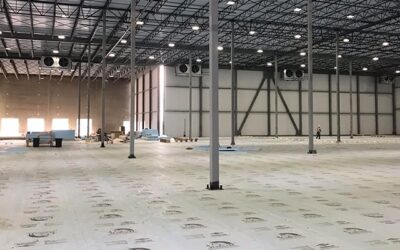
Why Choose Polyurethane Cement Flooring: 4 Reasons From a Real Factory Floor
Discover why polyurethane cement flooring is the top choice for industrial spaces. Follow David’s journey as he selects this durable, weather-resistant, low-maintenance, and hygienic flooring solution for his manufacturing plant. Learn about the meticulous installation process and the long-lasting benefits that make polyurethane cement flooring the perfect foundation for any business.

Epoxy Flooring vs Vinyl Flooring: 5 major differences
Choosing the wrong floor for a commercial or industrial site is an expensive mistake to fix later. It’s why epoxy flooring vs vinyl flooring is such a common decision point for business owners and facility managers weighing up durability, hygiene and cost. Here’s how the two actually compare.
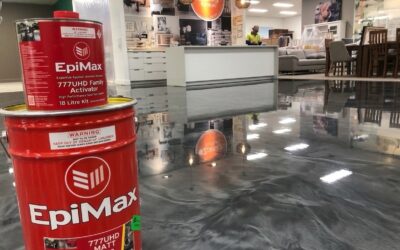
Why Epimax Flooring Solutions Are the Ultimate Industrial Choice
Besides creating an aesthetically pleasing appearance, Epimax flooring solutions also prevent deterioration and contamination, which can cause serious structural damage to concrete. Additionally, Epimax flooring solutions enhance chemical resistance, physical performance, and durability it even makes concrete completely non-slip.
Commercial & Industrial Flooring FAQs

Q1: How much downtime does a commercial floor installation need?
A: It depends on the size of the area and how much preparation the slab needs. A typical commercial project takes 2–4 days to prepare, coat and cure. Rapid-cure systems can take forklift traffic much sooner, so you can get back to normal operations with minimal disruption.
Q2: Can your floors handle heavy forklift traffic and chemical spills?
A: Yes. Our industrial epoxy and polyurethane cement systems are designed for heavy loads and chemical exposure. Once bonded to properly prepared concrete, they resist impact, oils, solvents and acids, and polyurethane cement also handles thermal shock from hot washdowns.
Q3: How do you handle slip resistance for commercial facilities?
A: We adjust the texture of the final coat using anti-slip aggregates, so each area gets the grip it needs: more for wet processing areas, commercial kitchens and loading docks, less for dry walkways. Slip resistance in Australia is assessed under AS 4586, and we’ll talk you through what suits each area.
Q4: Is it more cost-effective to polish existing concrete or apply an epoxy coating?
A: For high-traffic retail spaces and dry warehouses, polished concrete is often the most cost-effective long-term choice. There’s no coating to chip or peel and maintenance costs are low. If your facility has chemicals, frequent moisture or needs colour-coded safety zones, epoxy or polyurethane cement is the better investment.
Q5: Which areas do you service?
A: We’re based on the Central Coast and work across Sydney, the Central Coast, Newcastle, the Hunter Valley and north to Tamworth, as well as other regional and some interstate locations.
Q6: Can you work on a new build as well as an existing facility?
A: Yes. For new builds, it pays to plan the floor early, because the right system depends on how each area will be used. For existing facilities, we prepare and resurface the current slab and plan the work to keep disruption to a minimum.
✅ Contact Diamond Grind
by Email or 1800 587 172
for an obligation FREE consultation.