
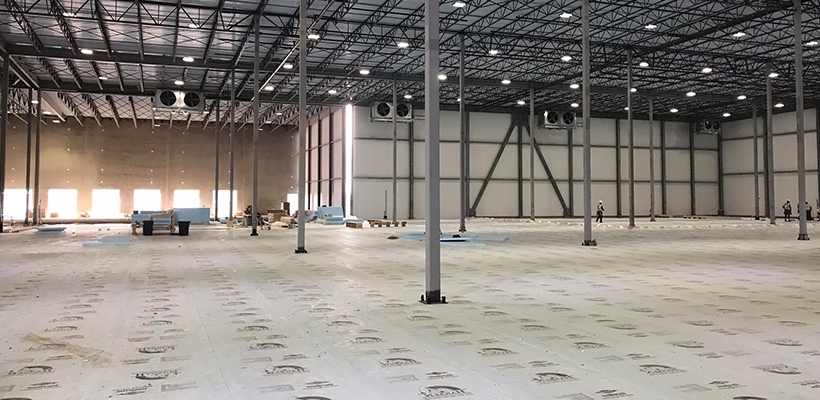
The following is a composite case study based on a real Diamond Grind installations, with identifying details changed to protect client privacy.
David” runs a manufacturing plant in the Blue Mountains that produces precision components for the aeronautics industry. As his business grew, so did the wear on his ageing factory floor, and it reached the point where patch repairs weren’t cutting it any more. He needed a proper resurfacing job, and that meant working out why choose polyurethane cement flooring over the other options on the table.
Epoxy or Polyurethane Cement? Weighing Up the Options
David spent weeks researching flooring systems and talking to specialists before narrowing it down to two contenders: epoxy and polyurethane cement. Epoxy is the more familiar name in the industry, but David ended up going with polyurethane cement for four practical reasons.
Why Choose Polyurethane Cement Flooring? 4 Reasons From David’s Factory
1. Strength That Handles Heavy Machinery
A precision components factory can’t afford a floor that gives way under load. Polyurethane cement is built for exactly this kind of punishment, holding up under heavy machinery, forklift traffic and constant foot traffic without wearing thin.
2. Weather Resistance During and After Installation
The Blue Mountains climate swings from scorching summers to genuinely cold winters, and that’s a problem for some flooring systems during installation. Polyurethane cement tolerates a much broader temperature range, which meant David’s installation could go ahead on schedule regardless of what the weather was doing.
3. Low Maintenance in a Busy, High-Moisture Factory
Between constant machine traffic and moisture from cleaning and processing, David needed a floor that wouldn’t cause problems down the track. Polyurethane cement bonds directly to the concrete substrate beneath it, forming a tough, seamless surface that shrugs off pressure and moisture rather than fighting them.
4. Hygiene for Quality Control and Inspection Areas
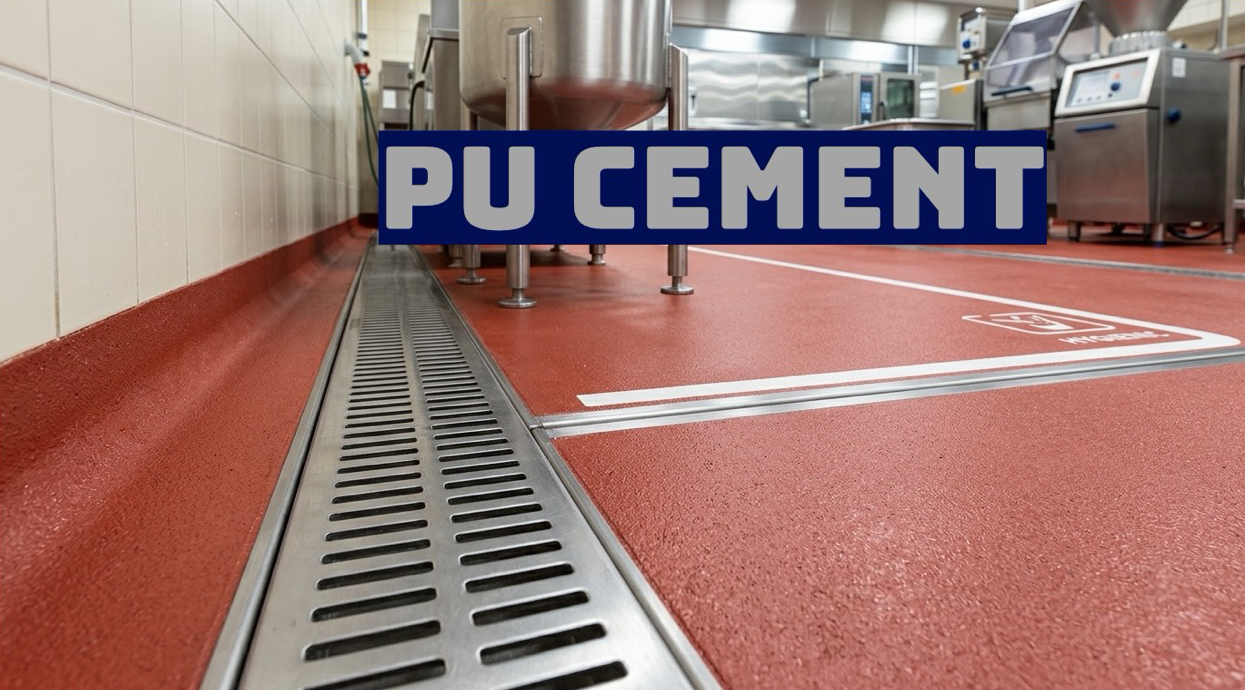
David’s quality control and inspection area couldn’t have gaps or crevices where contamination could take hold. Polyurethane cement forms an impermeable surface with no seams for moisture or debris to collect in, which kept that part of the facility genuinely clean rather than just clean-looking.
Once he’d weighed all of this up, the decision was straightforward: polyurethane cement was the right floor for his business. All that was left was the installation itself.
The Installation Process
Installing polyurethane cement is exacting work. Diamond Grind’s crews prepared the concrete surface first, grinding it back and levelling it so the new flooring had a sound, even base to bond to. That preparation stage is where most of the long-term performance of a polyurethane cement floor actually comes from.
The full installation took a week from start to finish. David’s factory kept running with minimal disruption while the crew worked through the site, section by section, to build a floor designed to last for years rather than months.
By the time the final coat had cured, David had a floor that met the brief on every count: durable enough for heavy machinery, tolerant of the local climate, low-maintenance under daily pressure, and clean enough for his quality control area. For a business weighing up why choose polyurethane cement flooring over epoxy, that combination is usually what settles it.
Get Expert Advice From Diamond Grind
Here at Diamond Grind commercial and industrial flooring, we install proven-quality systems from Hychem, EpiMax, Flowcrete and Master Builders Solutions, among other top-line suppliers.
We’re experienced installers of heavy-duty flooring systems, concrete surface repair and slab preparation, and we’re always happy to help you work out the right option for your business, whether that’s polyurethane cement, epoxy or something else entirely.
Request a free quote today if you’d like to talk through your flooring options with us.
FAQ,s

Why choose polyurethane cement flooring over epoxy for a factory?
Polyurethane cement handles heavy machinery, forklift traffic and temperature swings better than epoxy, and it tolerates high-moisture, high-heat environments without breaking down. For factories with demanding conditions, it’s often the more resilient option.
How long does it take to install polyurethane cement flooring?
A typical industrial installation takes around a week from start to finish, including concrete preparation, the flooring application itself, and curing time. Most facilities can keep operating with minimal disruption during that period.
Is polyurethane cement flooring suitable for cold or hot climates?
Yes. Polyurethane cement tolerates a much broader temperature range than many other flooring systems, both during installation and once it’s in daily use, which makes it a reliable choice in climates with big seasonal swings.
Does polyurethane cement flooring help with hygiene in quality control areas?
Yes. It forms a seamless, impermeable surface with no gaps or crevices for moisture or contaminants to collect in, which makes it well suited to quality control zones, inspection areas and other spaces where cleanliness matters.
✅ Let's Talk — DiamondGrind
100% free consultation — no commitment required.