
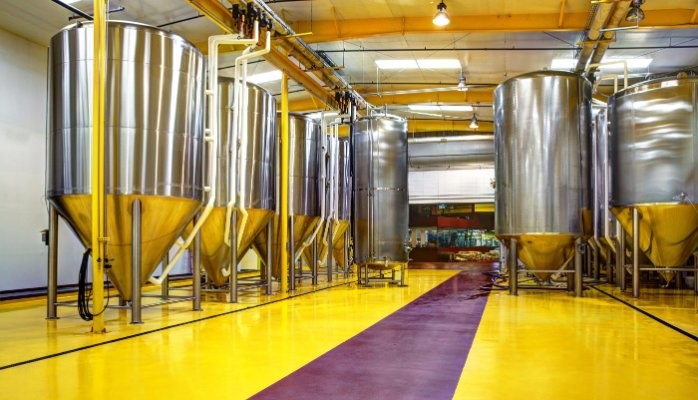
Specifying high-performance concrete floor surfacing is one of the most effective ways to repair worn slabs, eliminate surface dusting, and create a durable, low-maintenance finish for commercial and residential properties across New South Wales. Raw or deteriorating concrete subjected to vehicle traffic, moisture, and daily foot traffic rapidly degrades if left unprotected. Understanding the correct preparation steps and surface systems ensures your concrete remains structurally sound and visually striking for decades.
At Diamond Grind, we specialise in trade-grade concrete floor surfacing solutions designed to withstand real-world operational demands. Whether you need an economical high-gloss epoxy coating, a heavy-duty food-grade screed, or architectural polished concrete, choosing the right system depends on your specific traffic levels, chemical exposure, and budget.
How Professionals Perform Concrete Floor Surfacing
A professional resurfacing job requires far more than applying a topcoat over old concrete. Over 90% of coating failures stem from inadequate surface preparation. At Diamond Grind, our surface restoration process follows a strict five-step trade procedure:
1. Mechanical Surface Preparation
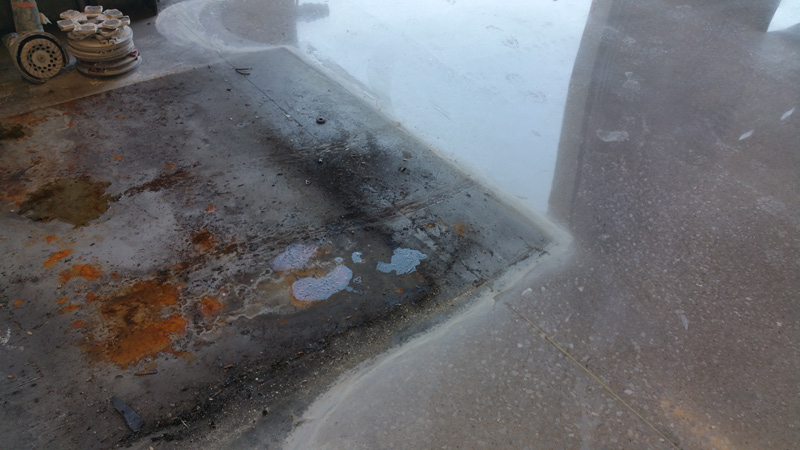
We perform dust-free mechanical diamond grinding or shot-blasting to remove old paint, oil contamination, and laitance. Opening the concrete pores creates the ideal Concrete Surface Profile (CSP) required for maximum mechanical adhesion.
2. Structural Repair and Patching
Before applying any surface layer, all surface spalls, cracks, and deteriorating control joints are chased out and filled using high-strength epoxy mortaring compounds to establish an even substrate.
3. Primer Application
Applying a specialised deep-penetrating epoxy or polyurethane primer seals the underlying slab, prevents gas outgassing (which causes pinholes), and establishes a chemical bond with the topping layer.
4. Application of Resurfacing System
Depending on site specifications, we apply specialised polyurethane cement, high-build commercial epoxy, or execute mechanical diamond polishing. Each material offers distinct physical properties engineered for specific working conditions.
5. Sealing and Non-Slip Topcoats
The final layer seals the surface against moisture and stain penetration. Custom anti-slip aggregates can also be broadcast into the topcoat to meet Australian slip-resistance standards (AS 4586).
5 Proven Options for Concrete Floor Surfacing Compared
Selecting the ideal resurfacing material depends on the environmental and physical demands of your space. Here is how five core concrete floor surfacing systems perform across Australian conditions:
1. Polyurethane Cement Flooring (Heavy-Duty Industrial)
For demanding commercial environments subject to severe chemical exposure, steam cleaning, or boiling water washdowns, polyurethane cement flooring is the premier specification. Applied as a thick screed, this system withstands thermal shock up to 120°C without cracking, making it the standard choice for food processing plants, dairies, and commercial kitchens.
2. Commercial Epoxy Flooring (Versatile & Economical)
When searching for a cost-effective, high-impact concrete floor surfacing option, high-build epoxy flooring delivers superior value. Epoxy forms a seamless, non-porous barrier that resists motor oil, solvents, and heavy vehicle traffic, making it ideal for residential garages, commercial warehouses, and retail storerooms.
3. Mechanically Polished Concrete (Architectural & Sustainable)
For retail showrooms, modern office fit-outs, and residential living areas, polished concrete offers unmatched longevity and elegance. By mechanically grinding the slab with progressively finer diamond-grit pads and hardening it with liquid chemical densifiers, polished concrete creates a high-gloss, reflective surface with no coating to peel or flake.
4. Rapid-Cure Polyaspartic Coatings (Minimal Downtime & UV Stable)
For active commercial spaces that cannot shut down for multi-day curing, polyaspartic coatings provide ultra-fast installation times. Curing within hours rather than days, this polyaspartic concrete floor surfacing solution delivers complete UV stability under direct sunlight, making it perfect for sunlit bays, retail entries, and high-traffic corridors.
5. Cementitious Overlays & Spraycrete (External Slabs & Driveways)
For exterior concrete surfaces, driveways, patios, and pool surrounds, polymer-modified cementitious overlays provide an effective resurfacing layer over worn slabs. Applied via trowel or spray gun, these textured overlays restore traction, offer custom geometric patterns, and achieve up to a P5 slip rating under Australian Standards (AS 4586).
Is Concrete Floor Surfacing Cheaper Than Tiling?
In almost all commercial and industrial scenarios, seamless concrete floor surfacing proves far more cost-effective than ceramic or porcelain tiling over its operational lifecycle. While initial tile installation costs may appear competitive, tiles suffer from distinct long-term drawbacks:
- Grout Line Maintenance: Cementitious tile grout is porous, absorbing grease, dirt, and dirty mop water, which breeds bacteria and requires frequent deep-cleaning.
- Impact Damage: Heavy equipment or dropped tools easily crack individual tiles, creating tripping hazards and letting water seep beneath the floor.
- Seamless Durability: Resurfacing options like epoxy and polyurethane cement create a completely seamless, impervious membrane with zero grout lines, making sanitation fast and inexpensive.
Consult Sydney’s Concrete Surfacing Specialists
Whether you need technical advice on concrete floor surfacing, complete slab repair, or a high-performance commercial installation, partnering with experienced trade applicators gives you a long-lasting outcome.
Diamond Grind delivers complete turn-key solutions across Sydney, Newcastle, and the Central Coast. Contact our specialist trade team today to arrange an on-site inspection or request a quote via our contact page.
Concrete Floor Surfacing FAQs

What is the cheapest way to perform concrete floor surfacing?
High-build epoxy flooring is generally the most economical option for concrete floor surfacing. It provides a durable, seamless, and stain-resistant finish at a lower upfront cost than traditional tiling or heavy screeds, making it ideal for garages, warehouses, and commercial spaces across New South Wales.
Can damaged or cracked concrete floors be resurfaced?
Yes, provided proper structural repairs are completed during substrate preparation. Cracks, spalls, and pitted areas are chased out, cleaned, and filled with high-strength epoxy repair mortars or specialized grouts before applying the concrete floor surfacing compound or resin coating.
3. How long does concrete floor surfacing take to cure before use?
Cure times vary based on the surfacing material used. Standard epoxy coatings typically allow foot traffic within 24 hours and heavy vehicle use within 48 to 72 hours. Polyurethane cement screeds and rapid polyaspartic coatings cure significantly faster, allowing foot traffic within 8 to 12 hours.
Is concrete floor surfacing more cost-effective than laying ceramic tiles?
Yes, concrete floor surfacing is usually far more cost-effective than tiling over its operational lifespan. Tiled floors have grout lines that trap dirt, absorb grease, and require constant deep-cleaning, while individual tiles can crack under impact. Resurfacing systems create a continuous, non-porous barrier that is faster to sanitize and cheaper to maintain.
✅ Let's Talk — DiamondGrind
100% free consultation — no commitment required.