
Polyurethane Cement Flooring: The Ultimate Solution for Demanding Environments
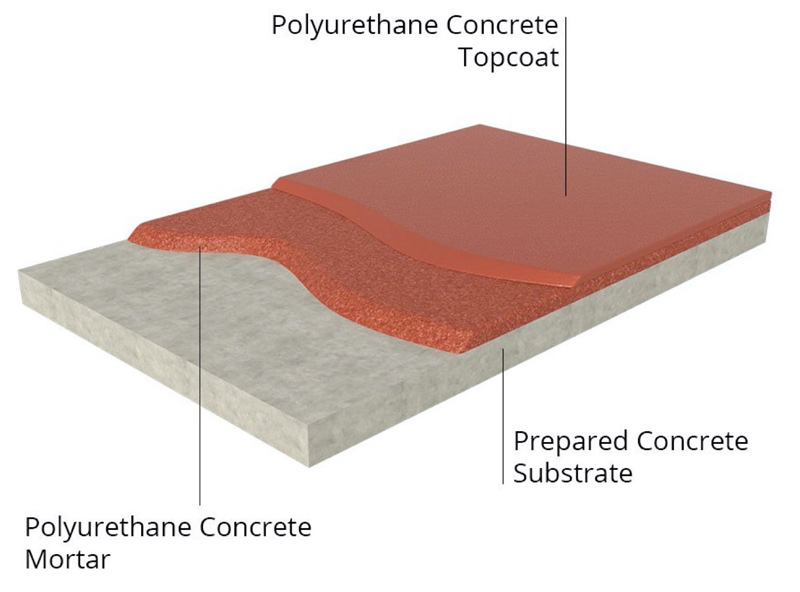
Polyurethane cement floors, also known as urethane cement floors or polyurethane concrete floors, offer a specialised concrete surface solution with exceptional durability and hygiene. Combining the inherent strength of traditional concrete with the flexibility and chemical resistance of polyurethane, this flooring type is ideal for a wide range of commercial and industrial applications.
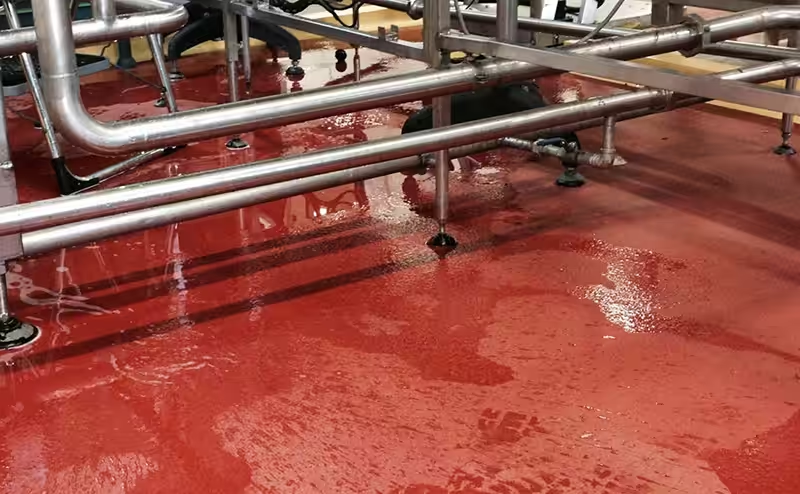
Often referred to as urethane cement or polyurethane concrete, these floors excel in demanding environments, particularly within the food and beverage industry, thanks to their toughness, hygienic properties, resistance to chemicals and thermal shock, slip-resistant qualities, and design flexibility.
Key Benefits of Polyurethane Cement Flooring
-
Hygienic Surface:
The seamless and non-porous nature of polyurethane makes it easy to clean and sanitise, crucial for preventing contamination in food processing facilities.
-
Chemical Resistance:
Highly resistant to cleaning agents, acids, alkalis, and oils, making it ideal for environments where chemical spills are common.
-
Durability:
Withstands heavy foot traffic, machinery, and equipment without cracking or chipping. Also resistant to abrasion and impact.
-
Thermal Stability:
Urethane cement can endure extreme hot and cold temperatures, essential for facilities with freezers or large temperature variations.
-
Slip Resistance:
Provides a safe working environment, even when wet, reducing the risk of slips and falls.
-
Customisable Aesthetics:
Available in various colours and finishes to match your facility’s design requirements. Explore colour choices
-
Toughness:
The polyurethane mix creates a tough, abrasion-resistant surface, ideal for high-traffic areas like factories and commercial kitchens.
-
Cleanliness and Sanitation:
Easy to sweep, mop, and sanitise, preventing the trapping of dirt and debris.
-
Long Lifespan:
With proper care, polyurethane cement floors offer a cost-effective, long-lasting flooring solution.
-
Ease of Installation:
Relatively quick and easy to install, minimising downtime for your operations.
-
Environmental Benefits:
Made from sustainable materials with a low environmental impact. Their long lifespan reduces waste.
-
Temperature Regulation:
Insulating properties help maintain consistent temperatures, crucial for food storage and processing.
-
Noise Reduction:
The dense composition reduces noise levels, creating a more comfortable working environment.
-
Compliance with Industry Standards:
Meets stringent health and safety regulations for the food and beverage industry.
Searching for Commercial Kitchen “Epoxy”? Why Polyurethane Cement is the Superior Choice
Many facility managers, builders, and chefs search for “epoxy flooring” when outfitting an industrial kitchen, food processing facility, or beverage plant. While standard 100% solids epoxy is an outstanding, heavy-duty solution for dry commercial spaces, high-temperature wet areas demand a different chemical specification.
Standard epoxy coatings soften and delaminate when exposed to temperatures exceeding 60°C. In contrast, polyurethane (PU) cement screeds combine polyurethane resin with cementitious aggregates to form a 3mm to 9mm thick matrix engineered specifically for extreme environments:
- Thermal Shock Immunity: Unlike standard epoxy, PU cement expands and contracts at a rate similar to the underlying concrete slab, handling direct steam cleaning and boiling washdowns up to 120°C without cracking or peeling.
- Lactic Acid & Hot Fat Resistance: Formulated to withstand constant exposure to organic acids, dairy products, hot oils, and harsh chemical sanitisers that would rapidly degrade traditional epoxy sealers.
- Built-In Anti-Slip Texture: Delivers certified R11/R12 slip resistance integral to the entire screed depth, ensuring long-term staff safety even under greasy, wet conditions.
Looking for a heavy-duty resin floor for dry storage, cleanrooms, or general commercial areas? Explore our commercial epoxy flooring solutions.
Let’s Chat – No Strings Attached!
Please call Diamond Grind on
1800 587 172.
Read more about Polyurethane Cement Flooring from our Blog.
Polyurethane Cement: The Ultimate Food Grade Flooring Solution
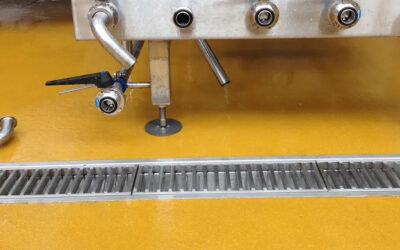
Polyurethane cement is a high-performance screed engineered specifically for demanding commercial kitchens and food processing facilities. Built to withstand extreme thermal shock, hot water washdowns, aggressive organic fats, and heavy wheeled traffic, this seamless floor system creates an impenetrable barrier over concrete. Fully HACCP-compliant, polyurethane cement delivers maximum slip resistance, hygienic surface protection, and long-term durability for compliance-heavy food environments.

Why Choose Polyurethane Cement Flooring: 4 Reasons From a Real Factory Floor
Discover why polyurethane cement flooring is the top choice for industrial spaces. Follow David’s journey as he selects this durable, weather-resistant, low-maintenance, and hygienic flooring solution for his manufacturing plant. Learn about the meticulous installation process and the long-lasting benefits that make polyurethane cement flooring the perfect foundation for any business.
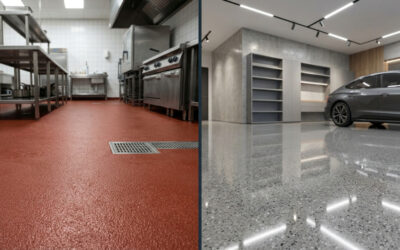
7 Big Differences: Polyurethane Cement vs Polyurethane Sealers
Polyurethane cement and polyurethane sealers are based on polyurethane technology; they serve different purposes and offer distinct benefits. Let’s discuss the differences
FAQ,s

What is polyurethane cement flooring and why choose it for my facility?
Polyurethane cement flooring, also known as urethane cement or polyurethane concrete, combines the strength of concrete with the flexibility and chemical resistance of polyurethane. It’s ideal for demanding environments needing durability, hygiene, and thermal shock resistance. Choose it for its seamless, non-porous surface that prevents contamination and withstands heavy traffic. For more on how it compares to other options, visit our Epoxy Flooring page.
Polyurethane cement flooring, also known as urethane cement or polyurethane concrete, combines the strength of concrete with the flexibility and chemical resistance of polyurethane. It’s ideal for demanding environments needing durability, hygiene, and thermal shock resistance. Choose it for its seamless, non-porous surface that prevents contamination and withstands heavy traffic. For more on how it compares to other options, visit our Epoxy Flooring page.
What are the key benefits of polyurethane cement floors?
Key benefits include superior hygiene for easy sanitisation, high chemical resistance to acids and oils, exceptional durability against abrasion and impact, thermal stability for extreme temperatures, and slip resistance for safety. It also offers a long lifespan, reducing long-term costs, quick installation to minimise downtime, and compliance with standards like HACCP. These make it a cost-effective choice for high-traffic areas in NSW.
Key benefits include superior hygiene for easy sanitisation, high chemical resistance to acids and oils, exceptional durability against abrasion and impact, thermal stability for extreme temperatures, and slip resistance for safety. It also offers a long lifespan, reducing long-term costs, quick installation to minimise downtime, and compliance with standards like HACCP. These make it a cost-effective choice for high-traffic areas in NSW.
Which industries or applications suit polyurethane cement flooring best?
It’s perfect for food and beverage sectors like dairies, wineries, and commercial kitchens, as well as factories, garages, workshops, and areas with chemical exposure or temperature variations. Its hygienic, anti-slip properties ensure safety and compliance in facilities across Sydney, Hunter Valley, and regional NSW. If you’re in the food industry, explore our DiamondCrete page for tailored HACCP-compliant solutions.
It’s perfect for food and beverage sectors like dairies, wineries, and commercial kitchens, as well as factories, garages, workshops, and areas with chemical exposure or temperature variations. Its hygienic, anti-slip properties ensure safety and compliance in facilities across Sydney, Hunter Valley, and regional NSW. If you’re in the food industry, explore our DiamondCrete page for tailored HACCP-compliant solutions.
How does polyurethane cement flooring compare to epoxy flooring?
Polyurethane cement offers greater flexibility, impact resistance, and thermal resilience, making it better for heavy loads and temperature fluctuations, while epoxy provides hardness and chemical resistance for less demanding settings. The best choice depends on your needs—polyurethane excels in food processing due to its thermoplastic properties. For a detailed comparison, check our blog post on Which is Better: Epoxy or Polyurethane Cement?.
Polyurethane cement offers greater flexibility, impact resistance, and thermal resilience, making it better for heavy loads and temperature fluctuations, while epoxy provides hardness and chemical resistance for less demanding settings. The best choice depends on your needs—polyurethane excels in food processing due to its thermoplastic properties. For a detailed comparison, check our blog post on Which is Better: Epoxy or Polyurethane Cement?.
How can I get a quote for polyurethane cement flooring in NSW?
Call us at 1800 587 172 for a 100% free, no-obligation consultation and quote. We’re based on the NSW Central Coast and serve areas like Sydney, Hunter Valley, and beyond. Let’s discuss your project today!
Call us at 1800 587 172 for a 100% free, no-obligation consultation and quote. We’re based on the NSW Central Coast and serve areas like Sydney, Hunter Valley, and beyond. Let’s discuss your project today!
What is the difference between standard epoxy flooring and polyurethane cement?
While both are seamless resin systems, standard epoxy creates an ultra-hard, rigid surface ideal for dry, heavy-traffic commercial areas like warehouses and workshops. However, standard epoxy can soften or crack under temperatures above 60°C. Polyurethane (PU) cement combines resin with cementitious aggregates to form a thicker, flexible matrix (3mm to 9mm) engineered specifically for extreme thermal shock, withstanding direct steam cleaning, boiling water washdowns up to 120°C, and organic food acids without peeling from the concrete slab.
✅ Let's Talk — DiamondGrind
100% free consultation — no commitment required.