
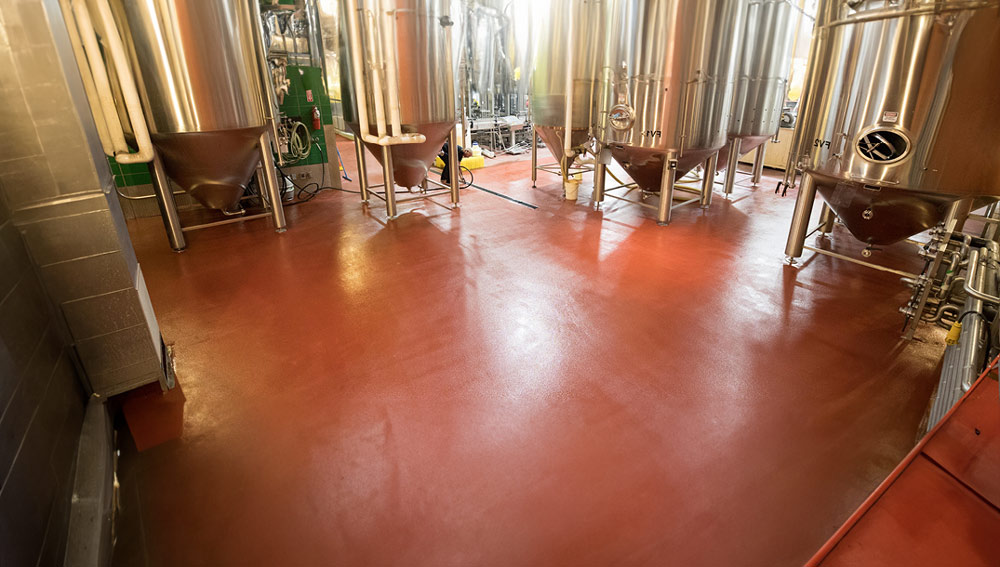
Specifying high-performance polyurethane concrete floors is the industry benchmark for commercial, food processing, and industrial facilities facing severe physical and chemical demands. Commercial concrete slabs subjected to heavy vehicle traffic, hot washdowns, and aggressive chemicals require a seamless surface barrier that prevents structural deterioration and health compliance violations.
At Diamond Grind, we install trade-grade polyurethane concrete floors engineered to protect concrete substrates across Sydney, Newcastle, and the Central Coast. By combining polyurethane resin with engineered cementitious aggregates, these heavy-duty screeds deliver superior impact, thermal, and chemical resistance compared to conventional floor coatings.
What Are Polyurethane Concrete Floors?
Polyurethane concrete floors (often referred to as PU screeds or polyurethane cement systems) are heavy-duty resinous floor systems designed for aggressive industrial environments. Unlike standard thin-film coatings, polyurethane concrete is applied at thicknesses ranging from 3mm to 9mm or more, creating a thick, impervious layer bonded directly into the concrete matrix.
This unique chemistry allows the floor to match the natural thermal expansion and contraction rate of the underlying concrete slab, preventing delamination under extreme temperature shifts.
7 Core Advantages of Polyurethane Concrete Floors
Whether fitting out a food manufacturing plant, busy commercial kitchen, or logistics warehouse, heavy-duty polyurethane concrete floors deliver distinct operational and financial benefits:
1. Superior Thermal Shock Resistance
In facilities utilizing steam cleaning or boiling water washdowns (such as dairies and commercial kitchens), standard floor coatings expand and contract at different rates than concrete, leading to blistering and peeling. Polyurethane concrete withstands severe thermal shocks up to 120°C without cracking or losing adhesion.
2. Exceptional Chemical and Acid Resistance
Polyurethane concrete provides continuous resistance against harsh organic fats, lactic acids, solvents, fuels, and aggressive cleaning sanitizers. This makes it an ideal specification for chemical storage zones and food processing lines.
3. Seamless Hygiene and Bacteria Resistance
Traditional tile floors rely on porous cement grout lines that harbour bacteria, mould, and grease. Polyurethane concrete creates a non-porous, seamless surface that prevents dirt penetration and allows rapid sanitation to meet strict HACCP hygiene standards.
4. Certified Anti-Slip Safety for Workers
Slips and falls represent major workplace liability risks in wet processing environments. Polyurethane concrete can be customized with coarse anti-slip aggregates to achieve P4 or P5 ratings under Australian Standards (AS 4586), ensuring traction even in wet conditions.
5. High Mechanical Impact and Compressive Strength
Heavy machinery, steel-wheeled trolleys, and high-frequency forklift traffic can chip fragile floor surfaces. The dense matrix of polyurethane concrete absorbs physical impacts and distributes heavy point loads across the slab without cracking.
6. Fast Curing for Minimal Facility Downtime
Shutting down operations for floor repairs causes costly business disruptions. Rapid-curing polyurethane concrete formulations allow full mechanical foot traffic within 12 hours and heavy vehicle use within 24 hours.
7. UV Stability and Aesthetic Flexibility
Polyurethane resins maintain high color retention and structural integrity when exposed to ambient light. Available in various non-slip textures and solid industrial shades, these systems provide a professional, clean finish for any commercial layout.
Key Applications Across Commercial Facilities
Because of their versatility and durability, polyurethane concrete floors are widely specified across several key sectors:
- Food & Beverage Processing: Slaughterhouses, bakeries, craft breweries, and dairy plants subject to daily washdowns and organic food acids.
- Warehouses & Logistics Hubs: Distribution centres requiring seamless surfaces that resist heavy forklift movement and heavy pallet wear.
- Commercial Kitchens & Hospitality: High-volume prep lines requiring heat resistance under fryers, ovens, and dishwashers.
- Chemical Processing & Manufacturing: Laboratories and processing plants handling aggressive solvents, fuels, or alkaline solutions.
Long-Term Cost Considerations
While the initial installation cost of polyurethane concrete screeds is higher than basic thin-film epoxy paint, its lifecycle cost is significantly lower. Cheaper coatings often fail within 2 to 3 years under heavy industrial traffic, requiring continuous repairs and costly operational shutdowns.
Polyurethane concrete floors provide a 10 to 20-year service life under demanding conditions, eliminating repeat repair cycles and lowering overall facility maintenance overheads.
Professional Substrate Preparation and Installation
Achieving an unbreakable bond between polyurethane concrete and the slab requires expert mechanical surface preparation. Applying screeds over unground, oily, or weak concrete leads to premature bond failure.
At Diamond Grind, our installation process includes:
- Mechanical Surface Profiling: Dust-free diamond grinding or shot-blasting to achieve the correct Concrete Surface Profile (CSP).
- Keyway Cutting: Precision perimeter chasing around drains, doorways, and floor penetrations to lock the screed edges into the concrete slab.
- Screed Application & Priming: Hand-trowelling or rake-applying the polyurethane concrete screed to specified millimeter thickness.
- Topcoat & Sealing: Applying custom anti-slip topcoats to lock in final texture and texture uniformity.
Custom Colour Selection
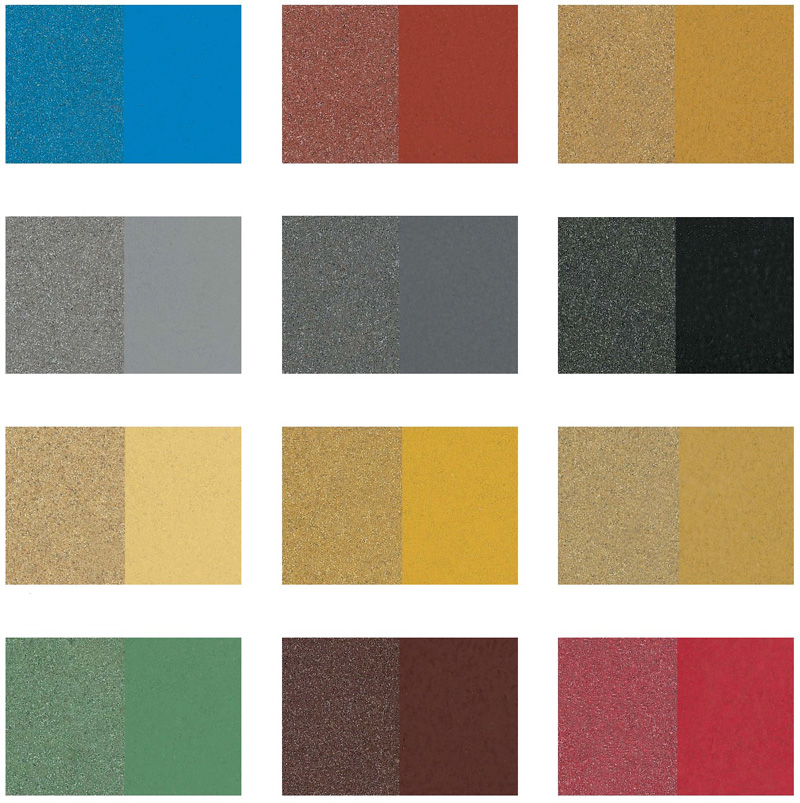
Commercial polyurethane concrete systems are available in standard trade shades, including safety yellow, industrial grey, green, and terracotta red. Explore our polyurethane cement colour choices to select the ideal palette for zone marking or aesthetic requirements.
Partner with NSW’s Commercial Flooring Specialists
At Diamond Grind, we install high-performance commercial and industrial flooring systems using industry-leading materials from certified suppliers, including Hychem, EpiMax, Flowcrete, and Master Builders.
Our experienced trade team provides full-service concrete preparation, levelling, and heavy-duty screed application tailored to your site’s operational needs. Contact our team today at 1800 587 172 or request a detailed site inspection via our contact page.
Polyurethane Cement floor color swatch

FAQ,s

What makes polyurethane concrete floors different from standard epoxy coatings?
Polyurethane concrete blends polyurethane resin with cementitious aggregates and is applied at a thicker build (3mm to 9mm). This gives it higher impact resistance, better performance under thermal shock from boiling washdowns (up to 120°C), and a thermal expansion rate similar to concrete, preventing delamination.
Are polyurethane concrete floors HACCP compliant for food facilities?
Yes. Polyurethane concrete creates an impervious, completely seamless surface without grout lines or joints where bacteria, mould, and grease can gather. This makes it fully HACCP compliant and ideal for commercial food and beverage processing plants.
How fast can polyurethane concrete floors be returned to service?
Most polyurethane concrete screeds allow foot traffic within 8 to 12 hours and full mechanical forklift use within 24 hours. Rapid-cure formulations are also available to minimize business downtime during weekend maintenance windows.
Can polyurethane concrete floors be customised for non-slip safety?
Yes. Aggregates like quartz sand or aluminium oxide can be broadcast into the screed during application to achieve certified slip ratings up to P5 under Australian Standards (AS 4586), ensuring safe footing in wet processing environments.
✅ Let's Talk — DiamondGrind
100% free consultation — no commitment required.