
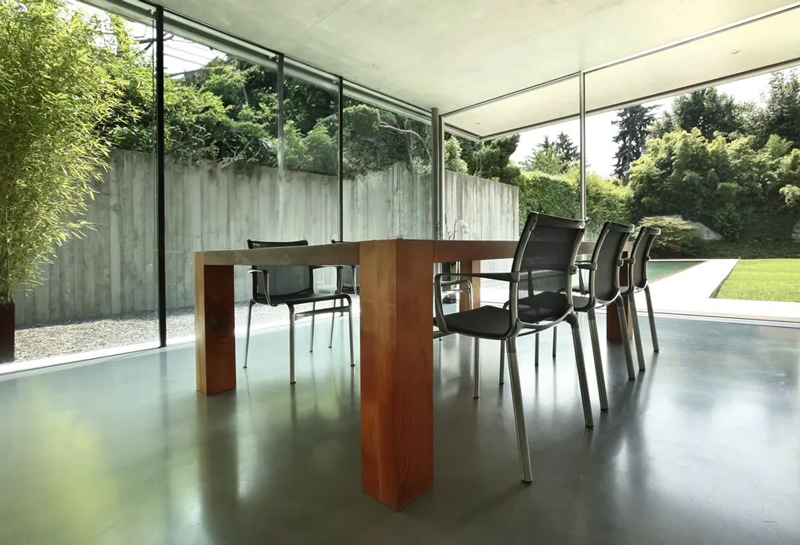
Understanding the polished concrete floor pros and cons is essential before deciding whether this material suits your home or commercial building. Stepping onto a professionally finished slab completely changes the visual dynamic and functionality of a space. Polished concrete has evolved far beyond industrial warehouses and utility sheds—it is now one of the most requested architectural finishes across Sydney.
By using heavy-duty industrial diamond grinding equipment, liquid chemical densifiers, and progressively finer resin-bonded polishing pads, concrete contractors turn a raw, porous slab into an ultra-durable surface. However, every structural flooring material comes with trade-offs. To help you evaluate whether this system aligns with your budget and lifestyle, this guide breaks down every key polished concrete floor pros and cons factor you need to know.
The Foundation: Floor Preparation Is Non-Negotiable
Before evaluating the polished concrete floor pros and cons, it is vital to understand that a finished floor is only as reliable as the underlying substrate. Natural concrete slabs often present hidden challenges such as pour lines, rain damage, minor cracking, or surface contamination from previous floor coverings.
A certified installation team identifies these structural factors early during the mechanical floor preparation process. By grinding away weak surface laitance, repairing spalls, and levelling uneven slab joints, contractors create a stable foundation. Skipping proper preparation guarantees that aesthetic defects will show through to the final polished coat.
Advantages of a Polished Concrete Floor
There are numerous financial, aesthetic, and operational benefits that drive property owners toward polished concrete over traditional flooring alternatives.
1. Exceptional Long-Term Affordability
When assessing polished concrete floor pros and cons regarding budget, the long-term return on investment is a standout advantage. Because the installation utilizes the structural concrete slab already present in the building, you eliminate the recurring material costs of purchasing timber planks, vinyl sheets, or ceramic tiles. Coupled with simple daily care and maintenance, its lifecycle cost per square metre is significantly lower than almost any other decorative floor option.
2. Indefinite Longevity and High Impact Strength
When mechanically processed and sealed correctly, polished concrete can last the lifetime of the building. Unlike thin coatings or topical sealers that wear away under foot traffic, polished concrete alters the molecular structure of the concrete surface using sodium or lithium silicates. This process hardens the matrix, making it resistant to heavy foot traffic, dragging furniture, and forklift tyre marks in commercial settings.
3. Low Maintenance and Hygienic Surface
Maintaining polished concrete requires very little effort. Routine cleaning consists of dry dust-mopping to remove abrasive grit, followed by damp mopping using a pH-neutral cleaner. Because the surface is continuous and seamless, there are no grout lines or timber joints where dust mites, pet dander, or allergens can collect, making it ideal for allergy sufferers.
4. Design Flexibility & Aggregate Exposure Profiles
Polished concrete fits effortlessly into modern open-plan architecture. By selecting specific grinding depths and polishing passes, you can customise the final aggregate exposure to match your preferred aesthetic:
- Cream Finish (Minimal Exposure): Lightly burnishes the smooth top skin of the concrete, offering a sleek, industrial look with zero visible stones.
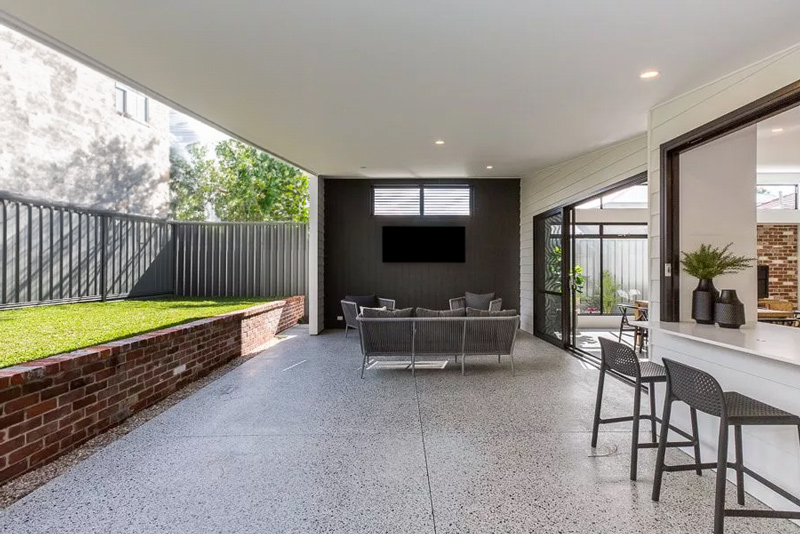
- Semi-Exposed Finish (Salt & Pepper): Grinds 1mm to 2mm into the surface to expose fine aggregate specks, producing a contemporary, subtle texture.
- Full Aggregate Exposure: Removes 3mm to 5mm of the surface matrix to showcase the full aggregate mix, stone colours, and river gravel within the concrete slab.
5. High Light Reflectivity and Energy Efficiency
The glossy surface of mechanically polished concrete acts as a natural reflector for both natural sunlight and artificial indoor lighting. Higher light reflectivity reduces the need for secondary lighting fixtures in commercial spaces and dimly lit residential rooms, helping reduce energy consumption throughout the year.
Disadvantages of a Polished Concrete Floor
To ensure a balanced perspective on polished concrete floor pros and cons, it is equally important to examine the practical limitations of hard concrete surfaces.
1. Surface Hardness and Rigidity
The same hardness that makes concrete exceptionally durable can occasionally be a drawback. Fragile objects dropped on concrete will almost certainly shatter upon impact. Furthermore, standing on unyielding concrete surfaces for extended periods can cause foot or fatigue discomfort for employees in retail or kitchen environments without anti-fatigue mats.
2. Thermal Conductivity and Coldness Underfoot
Concrete possesses high thermal mass, meaning it adopts the ambient temperature of its environment. During winter months, an uninsulated slab in an unheated room can feel cold underfoot. Property owners can easily mitigate this issue by incorporating hydronic or electric underfloor heating systems before pouring the slab, or by using area rugs in living spaces.
3. Vulnerability to Acidic Spills and Stains
Although densified and sealed polished concrete is highly stain-resistant, it is not completely acid-proof. Acidic liquids such as vinegar, citrus juice, wine, or harsh chemical cleaners can etch the calcium carbonate matrix if left pooling on the floor. Immediate cleanup of liquid spills is necessary to preserve the clarity of the finish.
4. Acoustic Reverberation
Hard, flat, non-porous surfaces bounce sound waves around a room rather than absorbing them. In large, open-plan residential spaces with high ceilings, polished concrete can create echo and sound amplification. Incorporating soft furnishings, curtains, acoustic wall panels, or rugs restores balanced sound absorption.
Comparing Polished Concrete to Alternative Flooring
To fully contextualise polished concrete floor pros and cons, it helps to compare this system directly against other mainstream flooring materials:
| Flooring Material | Durability & Lifespan | Maintenance Level | Moisture Resistance | Relative Cost |
|---|---|---|---|---|
| Polished Concrete | Exceptional (20+ Years) | Very Low (Sweep & Damp Mop) | High (When Sealed) | Moderate Upfront / Low Lifecycle |
| Timber Flooring | Moderate (Requires Refinishing) | Moderate (Sensitive to Water) | Low to Moderate | High Upfront / High Maintenance |
| Ceramic / Porcelain Tiles | High (Grout Wear Over Time) | Moderate (Grout Cleaning Required) | High | Moderate Upfront / Moderate Lifecycle |
| Commercial Carpet / Vinyl | Low to Moderate (5–10 Years) | High (Vacuuming & Steam Cleaning) | Low to Moderate | Low Upfront / High Replacement Cost |
Mechanical Polishing vs. Topical Sealer Coatings
When researching polished concrete floor pros and cons, property owners frequently confuse true mechanically polished concrete with coated or burnished concrete finishes:
- Mechanically Polished Concrete (MPC): The concrete is physically ground and polished using diamond abrasives, then hardened with a chemical densifier. The shine comes from the concrete itself being polished smooth. It will not peel, flake, or wear off under heavy traffic.
- Topical Sealed Concrete: The installer grinds the slab lightly and applies a clear polyurethane, epoxy, or acrylic topcoat. While initially cheaper, topical sealers act as a protective skin that will eventually scratch, yellow under UV light, and require complete re-coating every 3 to 7 years.
Long-Term Maintenance and Care Best Practices
Protecting your investment involves following a few simple operational steps. Knowing these care tips ensures you maximize the positive aspects of polished concrete floor pros and cons over decades of use:
- Use Entrance Matting: Place walk-off mats at exterior entryways to capture coarse sand, dirt, and grit before foot traffic drags it across the polished floor.
- Avoid Harsh Chemicals: Never use bleach, ammonia, citrus-based cleaners, or acidic solutions on polished surfaces, as they break down the protective densifier layer.
- Promptly Clean Spills: Wipe up acidic liquids like wine, coffee, and oil immediately to prevent localized surface etching.
- Use Auto-Scrubbers with Soft Pads: For large commercial spaces, utilize commercial floor scrubbers equipped with non-abrasive white cleaning pads to maintain surface gloss.
Speak with Sydney’s Polished Concrete Specialists
Balancing the practical polished concrete floor pros and cons comes down to your building layout, budget, thermal requirements, and aesthetic preferences. Whether you are constructing a custom home, renovating a retail store, or upgrading an industrial facility, working with experienced contractors ensures a seamless, long-lasting result.
Ready to Transform Your Concrete Slabs?
If you are weighing up polished concrete floor pros and cons for your upcoming project, get direct technical guidance from qualified trade specialists! Contact Diamond Grind today for an honest, no-obligation site consultation and detailed quote. Call us on 1800 587 172 or send us a message via our contact page.
Looking for more technical advice on surface preparation, resin coatings, or concrete grinding? Browse other articles in our commercial flooring blog for the latest industry insights and project breakdowns.
FAQ,s

Are polished concrete floors slippery when wet?
Despite their high-gloss, mirror-like appearance, mechanically polished concrete floors are generally no more slippery than polished marble, linoleum, or glazed ceramic tiles when dry. In commercial or high-traffic environments where wet slip-resistance compliance is required, specialized penetrating anti-slip treatments or anti-slip aggregate additives can be incorporated during the final conditioning process.
Can existing, older concrete slabs be polished?
es. Almost any structurally sound existing concrete slab can be mechanically ground and polished, provided the slab is free of major structural movement or deep, unfixable cracking. Older slabs often showcase unique aesthetic character, age lines, and localized aggregate variation once the top layer of old adhesive or laitance is ground away.
Are polished concrete floors cold and noisy?
Concrete naturally retains ambient room temperatures, meaning an uninsulated slab in an unheated building can feel cool underfoot during winter. This is easily solved by installing underfloor heating prior to pouring the slab or utilizing area rugs. For acoustic control in open-plan spaces with high ceilings, incorporating soft furnishings, acoustic ceiling panels, or drapes absorbs sound waves and prevents echo.
How long does a polished concrete floor installation take?
A standard residential or commercial polished concrete project typically takes between 3 to 5 business days to complete. The exact timeframe depends on the total square metrage, the required depth of aggregate exposure (cream, semi-exposed, or full exposure), slab hardness, and the amount of detailed hand-grinding needed around walls and corners.
✅ Let's Talk — DiamondGrind
100% free consultation — no commitment required.