
Concrete Slab Replacement or Repair: A Practical Guide
Concrete is tough, durable, and low-maintenance—but even it wears down over time. Factors like extreme temperature swings, physical salt attack (PSA), heavy use, or underlying structural issues speed up this process. These can lead to cracks, corrosion, or other damage, turning a simple eyesore into a serious safety and stability risk for your home or business.
When damage appears, deciding between concrete slab replacement or repair is crucial. Assessing the severity guides your next steps: a simple fix like floor levelling might restore strength, while severe cases require full concrete slab replacement by experienced professionals.
Here are clear guidelines to help you understand your options.
When Is Concrete Slab Replacement Inevitable?
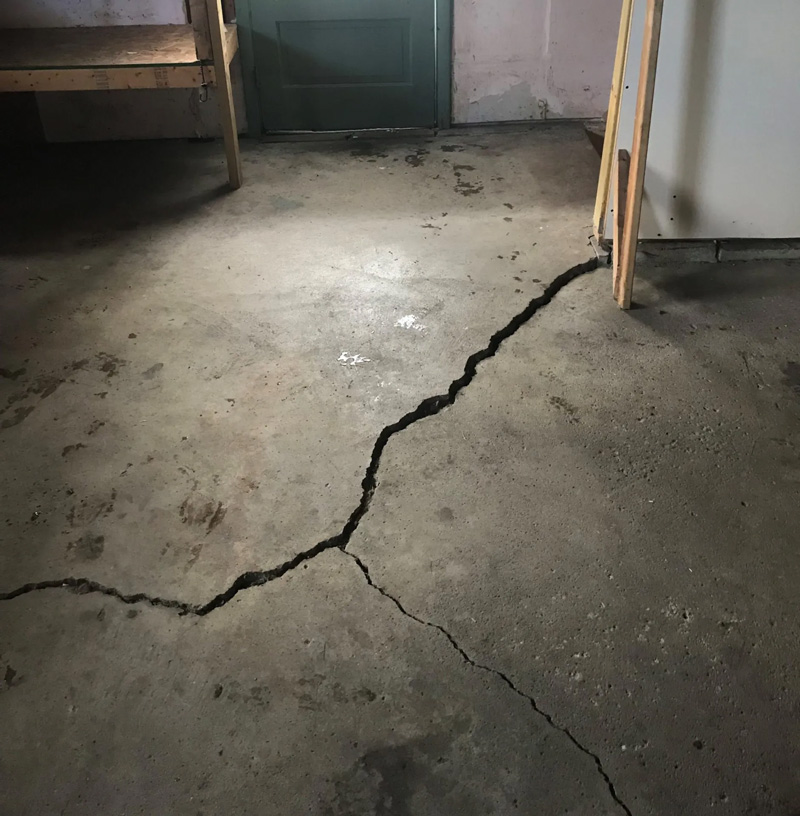
Cracks are the most frequent sign of trouble and often grow worse over time—especially once moisture gets in. In many cases, concrete slab replacement is the safest, longest-lasting solution. The best approach? Contact us for an expert assessment.
Damage from poor initial installation almost always calls for replacement, and water intrusion makes things quickly get worse. Start by checking for structural gaps or missing material. As a general rule: if repairs would involve filling more than 5cm of depth, replacement is usually more effective and cost-efficient in the long run.
Uneven slabs are another red flag. Even if caused by improper pouring, the real issue is often erosion or settling of the soil underneath. Without solid support, the slab deteriorates faster, making professional evaluation—and likely concrete slab replacement—essential.
When a Quick Repair Might Be Enough
Well-installed concrete slabs can last decades. Minor surface issues—like chipping, wear, delamination (layers peeling apart), or crumbling often respond well to patching or floor levelling. These fixes are straightforward and prevent small problems from becoming bigger.
Important note: Quick repairs only work if the core structure remains sound. Hidden internal damage can lead to major issues later. Spotting subtle signs of serious deterioration is tough for non-experts, so always rely on professionals for a thorough inspection.
Can You Prevent Concrete Slab Degradation?
Many problems stem from poor installation. Choosing a reputable team for the original pour saves money and headaches by avoiding early failures. Concrete expands in heat and contracts in cold, so properly spaced expansion joints are critical—without them, small cracks quickly become large ones.
Need a Reliable Flooring Specialist in NSW or the ACT?
From floor levelling and floor preparation to full polished concrete, epoxy or polyurethane cement installation, we’ve got you covered. We serve the Sydney Metro area, Central Coast, Port Stephens, and regional NSW/ACT locations as needed.
Our team uses premium equipment and materials to deliver fast, high-quality results. The outcome? A strong, reliable floor built to last for years.
Ready to assess your slab? Contact us today for expert advice on concrete slab replacement or repair.
FAQ,s

When should I choose concrete slab replacement instead of just repairing the damage?
Concrete slab replacement is often the best choice for severe issues like wide or expanding cracks (especially those absorbing moisture), damage from poor installation, areas missing material, or when repairs would require filling more than 5cm deep. Uneven slabs due to soil erosion or settling underneath also typically need replacement for long-term stability. A professional assessment is essential to confirm.
.
Concrete slab replacement is often the best choice for severe issues like wide or expanding cracks (especially those absorbing moisture), damage from poor installation, areas missing material, or when repairs would require filling more than 5cm deep. Uneven slabs due to soil erosion or settling underneath also typically need replacement for long-term stability. A professional assessment is essential to confirm.
.
What causes concrete slabs to deteriorate so quickly, and how can I spot serious problems?
Common causes include extreme temperature changes, physical salt attack (PSA), heavy traffic or loads, structural weaknesses, and poor installation. Look for expanding cracks, corrosion, uneven surfaces, or delamination. Minor surface wear might be repairable, but internal damage is hard to see without expert help—always get a pro inspection to avoid future hazards.
Common causes include extreme temperature changes, physical salt attack (PSA), heavy traffic or loads, structural weaknesses, and poor installation. Look for expanding cracks, corrosion, uneven surfaces, or delamination. Minor surface wear might be repairable, but internal damage is hard to see without expert help—always get a pro inspection to avoid future hazards.
Can minor damage to my concrete slab be fixed without full replacement?
Yes—quick repairs like patching, floor levelling, or resurfacing often handle mild surface issues such as chipping, wear, or crumbling on driveways and patios. These work well if the internal structure is intact. However, if the core is compromised, repairs may only be temporary, so professional evaluation is key.
Yes—quick repairs like patching, floor levelling, or resurfacing often handle mild surface issues such as chipping, wear, or crumbling on driveways and patios. These work well if the internal structure is intact. However, if the core is compromised, repairs may only be temporary, so professional evaluation is key.
How can I prevent concrete slab damage in the first place?
Prevention starts with professional installation to avoid common mistakes like improper joint spacing. Proper expansion joints help manage heat/cold expansion. Applying a protective layer like polyurethane cement adds durability, resists moisture and wear, and keeps your slab looking great for years—ideal for homes, businesses, warehouses, and more.
Prevention starts with professional installation to avoid common mistakes like improper joint spacing. Proper expansion joints help manage heat/cold expansion. Applying a protective layer like polyurethane cement adds durability, resists moisture and wear, and keeps your slab looking great for years—ideal for homes, businesses, warehouses, and more.
✅ Let's Talk — DiamondGrind
100% free consultation — no commitment required.