
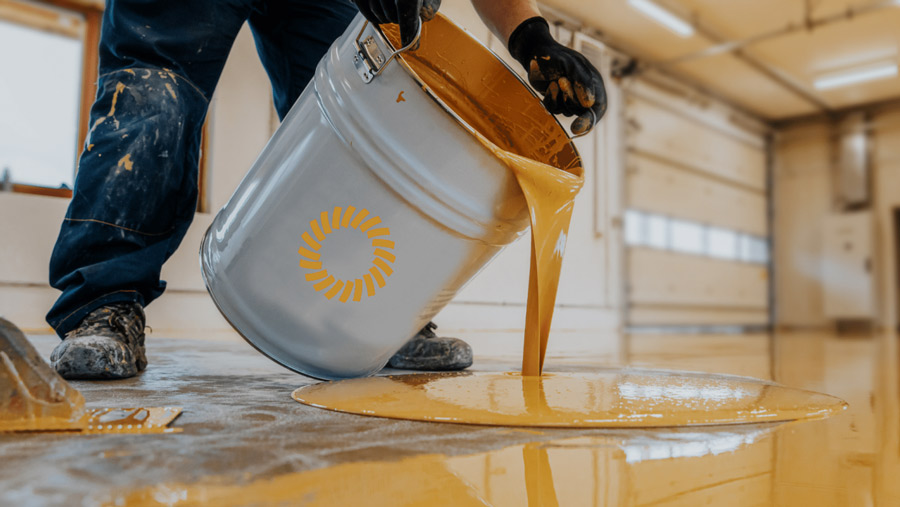
Specifying the right industrial floor coating is one of the most critical engineering choices when designing or refurbishing a commercial facility, warehouse, or manufacturing plant. Industrial concrete slabs face constant physical and chemical stress—including heavy forklift traffic, chemical exposure, thermal shock, and point-loading. Applying a fit-for-purpose surface barrier prevents concrete dusting, protects structural integrity, and ensures full compliance with Australian workplace safety standards.
At Diamond Grind, we work alongside facility managers, project engineers, and builders across New South Wales to install high-performance resin systems. Understanding the performance characteristics of each primary industrial floor coating option allows you to select a solution that balances performance, operational downtime, and long-term lifecycle cost.
Key Operational Benefits of Industrial Floor Coatings
Applying a high-grade surface coating over bare concrete delivers essential operational advantages across industrial and commercial environments:
- Substrate Protection and Longevity: Seals raw concrete against mechanical abrasion, impact spalling, chemical pitting, and heavy vehicle traffic, extending the slab’s service life by decades.
- Enhanced Workplace Safety: Formulated with graded slip-resistant aggregates to reduce workplace slip-and-fall hazards in accordance with AS 4586 standards.
- Effortless Maintenance and Hygiene: Converts porous concrete into a completely seamless, non-porous surface that stops oils, dirt, and chemicals from penetrating the substrate.
- Improved Ambient Lighting: High-gloss and reflective finishes improve light distribution across large warehouse floors, reducing artificial lighting demands.
5 Key Types of Industrial Floor Coatings Compared
Each resin chemistry offers unique physical properties, cure speeds, and environmental resistances. Here is how the five primary systems compare:
1. High-Build Epoxy Floor Coatings
Seamless epoxy floor coatings remain the industry benchmark for heavy-duty indoor workspaces, distribution centres, and assembly plants. Formulated from heavy-duty epoxy resin and amine hardeners, epoxy bonds directly to prepared concrete to form a rigid, highly wear-resistant surface.
Commercial epoxy provides outstanding resistance to mechanical impact, oils, solvents, and general industrial traffic. While highly durable, standard epoxy systems can yellow or degrade under direct, long-term ultraviolet (UV) sunlight exposure, making them ideal primarily for interior applications.
2. Polyurethane Floor Coatings
Unlike rigid epoxy, clear or pigmented polyurethane coatings offer greater elastomeric flexibility, superior scratch resistance, and exceptional UV stability. These roll-on coatings absorb mechanical impact and minor substrate movement without cracking, making them ideal for automotive workshops, aircraft hangars, and assembly lines exposed to sunlight through roller doors.
Polyurethane coatings excel at resisting chemical solvents, battery acids, and oil spills while maintaining high gloss retention over time.
3. Rapid-Cure Polyaspartic Coatings
For operating facilities that cannot afford multi-day shutdowns, polyaspartic coatings offer ultra-fast curing times. While traditional epoxy systems require 24 to 48 hours between coats, polyaspartic technology cures within 1 to 2 hours, allowing a full installation to be completed over a single shift or weekend window.
Polyaspartic coatings provide complete UV stability, high tensile strength, and excellent chemical resistance, making them ideal for commercial kitchens, cold storage facilities, and high-traffic corridors requiring rapid return-to-service.
4. Light-Duty Acrylic Coatings
Acrylic coatings are water-based or solvent-based thin-film sealers designed for light-duty or low-traffic areas such as plant rooms, retail storerooms, and school walkways. They dry rapidly and offer a clean semi-gloss finish at an economical price point. However, because they lack the high film build and impact strength of epoxy or polyurethane resin, acrylics require more frequent maintenance under heavy vehicle traffic.
5. Heavy-Duty Polyurethane Cement Screeds
For extreme industrial environments, heavy-duty polyurethane cement (cementitious urethane) screeds deliver unmatched physical performance. Engineered by blending urethane resin with engineered cementitious aggregates, this system handles severe thermal shock from boiling washdowns (up to 120°C), constant steam cleaning, and aggressive organic acids.
Polyurethane cement forms a dense, impervious layer that prevents bacterial growth, making it the mandatory standard for food processing plants, beverage bottling lines, and chemical processing zones.
Industrial Floor Coating Performance Comparison Matrix
When selecting an industrial floor coating for your facility, evaluate your core operational needs against these trade benchmarks:
- Impact & Mechanical Resistance: Polyurethane Cement (Exceptional) | Epoxy (High) | Polyurethane (High) | Polyaspartic (High) | Acrylic (Moderate)
- Chemical Resistance: Polyurethane Cement (Exceptional) | Epoxy (High) | Polyurethane (High) | Polyaspartic (Moderate-High) | Acrylic (Low-Moderate)
- UV Light Stability: Polyurethane (Exceptional) | Polyaspartic (Exceptional) | Acrylic (High) | Polyurethane Cement (Moderate) | Epoxy (Low – Interior Only)
- Cure Speed / Downtime: Polyaspartic (Fastest – 2 to 4 Hours) | Acrylic (Fast) | Polyurethane (Moderate – 24 Hours) | Epoxy (Standard – 24 to 72 Hours) | Polyurethane Cement (24 Hours)
Selecting the Ideal System for Your Workspace
To determine the most cost-effective specification for your plant, consider the primary environmental factors of your space:
- For Heavy Forklift Traffic & Warehousing: High-build commercial epoxy or polyurethane systems provide maximum abrasion resistance against solid tyres and rolling loads.
- For Food, Dairy, & Beverage Processing: Heavy-duty polyurethane cement screeds are essential to withstand hot water washdowns, organic acids, and aggressive sanitization.
- For Sunlit Loading Docks & Workshops: Aliphatic polyurethane or polyaspartic coatings prevent surface yellowing and chalking under sunlight exposure.
- For Zero-Downtime Facility Upgrades: Rapid-cure polyaspartic resin allows full traffic access within hours of application.
Professional Mechanical Substrate Preparation
The long-term performance of any industrial floor coating depends almost entirely on the quality of substrate preparation. Applying resin over unground, oily, or weak concrete guarantees coating failure, bubbling, and delamination under traffic.
At Diamond Grind, we perform dust-free mechanical shot-blasting and diamond grinding to achieve the exact Concrete Surface Profile (CSP) required for chemical and mechanical adhesion. Our team tests for slab moisture, repairs structural spalls, and applies high-performance primers to ensure an unbreakable bond.
Partner with NSW’s Commercial Floor Coating Specialists
Choosing the correct coating system requires careful technical evaluation of traffic types, chemical exposure, and operational schedules. Working with experienced trade applicators ensures your installation complies fully with Australian Standards and food safety regulations.
Diamond Grind delivers complete, end-to-end industrial floor coating solutions for commercial and industrial clients across Sydney, Newcastle, and the Central Coast. Contact our engineering team today to arrange a site evaluation or submit an enquiry via our contact page.
FAQ,s

Which industrial floor coating is best for heavy forklift traffic?
High-build epoxy coatings and polyurethane systems are ideal for heavy forklift traffic. They create a dense, highly impact-resistant surface over the concrete slab that prevents dusting, resists gouging from pallet wheels, and stands up to constant vehicular movement.
What is the difference between epoxy and polyurethane floor coatings?
Epoxy coatings are rigid and provide superior compressive strength and impact resistance, making them ideal for heavy indoor industrial floors. Polyurethane coatings are more elastomeric and flexible, offering higher scratch resistance, UV stability against sunlight, and superior resistance to harsh solvents.
How long does an industrial floor coating take to cure before heavy use?
Standard commercial epoxy and polyurethane coatings generally require 24 hours for light foot traffic and 48 to 72 hours for full chemical and forklift curing. However, rapid-cure polyaspartic coatings can cure fully in 2 to 4 hours, allowing same-day operational turnaround.
Can an industrial floor coating be applied over damaged or cracked concrete?
Yes, provided the concrete is mechanically prepared first. All deep cracks, spalls, and joint deterioration must be chased out, shot-blasted or diamond ground, and filled with high-strength epoxy mortaring compounds before the final industrial floor coating is applied.
✅ Let's Talk — DiamondGrind
100% free consultation — no commitment required.