

Connecting HACCP Food Safety Compliance to Facility Floor Infrastructure
Hazard Analysis Critical Control Point (HACCP) is an internationally recognized, science-based food safety management framework. It requires commercial processing, beverage, and hospitality facilities to adhere strictly to local HACCP food safety regulations by identifying, evaluating, and controlling biological, chemical, and physical hazards across all production stages.
While facility managers often focus on stainless steel equipment and handling protocols, unsealed or failing concrete slabs represent a primary critical control point during audits. Unsealed, cracked, or porous concrete absorbs food juices, moisture, milk fats, and blood, creating ideal breeding grounds for dangerous pathogens like Listeria monocytogenes, E. coli, and Salmonella. Achieving total HACCP food safety compliance across the food and beverage industry requires an impermeable, non-porous floor barrier that withstands continuous washdowns and chemical sanitizers.
5 Essential Floor Criteria for HACCP Food Safety Audits
1. Completely Seamless, Impermeable, and Grout-Free Surfaces
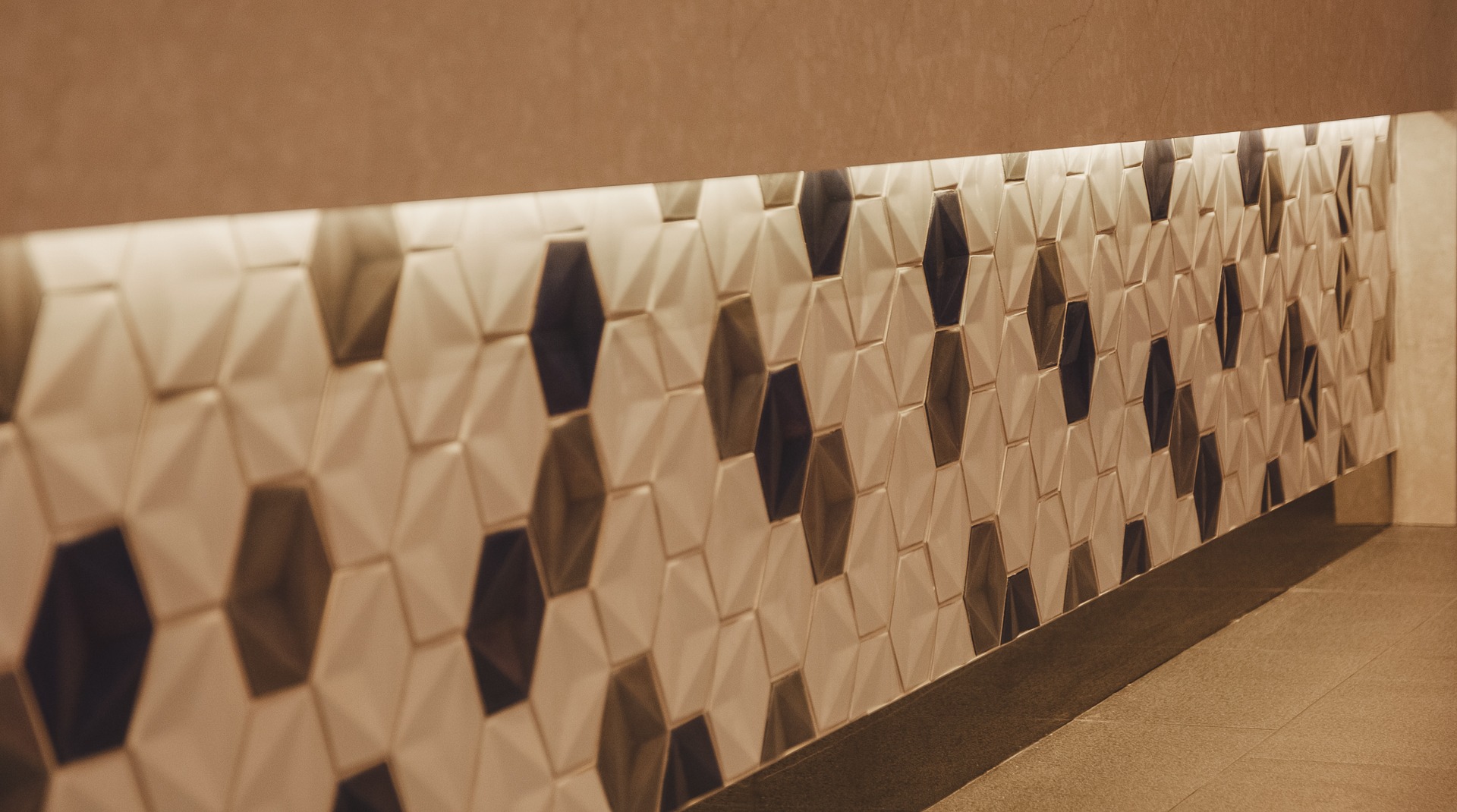
Traditional ceramic tile setups feature grout lines that crack, erode, and absorb moisture under constant traffic, trapping organic debris and harbouring deep bacterial colonies. Choosing modern HACCP-compliant flooring creates a monolithic, seamless surface across the entire facility floor. Because the surface is entirely non-porous, washdown fluids, fats, and chemical residues wash away cleanly without penetrating or degrading the underlying concrete substrate.
2. Integrated Radius Wall Coving Details
Sharp 90-degree junctions between floors and walls are notoriously difficult to clean and sanitize effectively, turning into hidden hotbeds for bacterial accumulation. Installing continuous, resin-based radius wall coving creates a smooth, rounded transition from the floor up the wall base. This design allows washdown water, debris, and sanitizing agents to run directly into floor drainage channels without pooling at wall perimeters.
3. Extreme Thermal Shock and Steam Resistance (-40°C to +120°C)
Commercial food processing environments endure severe temperature swings—from sub-zero blast freezers to boiling steam washes. Standard concrete floor treatments fail under thermal shock, expanding at different rates than the concrete beneath and causing cracking or delamination. Heavy-duty polyurethane cement floors match the thermal expansion of concrete, handling temperature extremes from -40°C freezer rooms up to +120°C direct hot-water discharges without losing structural bond strength.
4. Superior Chemical Resistance to Aggressive Sanitizers
Daily sanitation routines in food plants rely on harsh chemicals, including lactic acid, citric acid, nitric acid, caustic washes, and peroxyacetic acid solutions. Applying a specialized, hygienic concrete floor treatment prevents chemical erosion, ensuring the surface does not pit, etch, soften, or leach contaminants into the processing environment during daily cleaning cycles.
5. Certified Anti-Slip Profiles for Wet Processing Zones
Wet processing floors, commercial kitchens, and abattoirs present major slip hazards for personnel when covered in water, oils, or organic fats. HACCP-certified floor systems incorporate textured, graded quartz or aluminum oxide broadcasts to achieve certified slip ratings (from R10 up to P5 under Australian Standards), delivering high traction without creating surface pockets that trap dirt.
Trade Solutions: DiamondCrete PU Cement & Systems
At Diamond Grind, we engineer and install specialized commercial flooring systems engineered specifically to meet strict Food Standards Australia New Zealand (FSANZ) guidelines and pass stringent HACCP audits.
DiamondCrete Polyurethane Cement (PU Cement)
Our flagship product, DiamondCrete PU Cement, is a heavy-duty, polyurethane resin mortar designed for the most demanding food environments. It integrates active silver-ion antimicrobial additives directly into the matrix, inhibiting microbial growth throughout the lifespan of the floor. Key technical benefits include:
- Thermal shock tolerance: Withstands live steam cleaning and boiling water washdowns.
- Rapid cure time: Rapid return-to-service formulations minimize facility downtime during shutdown maintenance window installs.
- Heavy impact resistance: Handles high-impact forklift loading, pallet jack traffic, and heavy machinery placement without chipping.
Heavy-Duty Commercial Epoxy Systems
For dry storage, secondary packaging areas, beverage distribution warehouses, and retail food prep spaces, our commercial epoxy floor coatings provide a durable, chemical-resistant, and aesthetically clean surface where extreme thermal shock resistance isn’t required.
Mechanical Floor Preparation
A HACCP system is only as good as its mechanical bond to the slab. We perform comprehensive concrete floor preparation—including shot blasting, diamond grinding, and keyway routing—to open the slab’s concrete pores, repair structural cracks, and ensure long-term mechanical adhesion before system application.
Eliminate Audit Risks and Secure Your Facility
Don’t let non-compliant floor surfaces risk your regulatory standing or cause audit failures. Protect your operational license with a certified hygienic floor barrier engineered for Australian conditions. Contact the Diamond Grind trade team today to book an on-site facility evaluation and request a detailed quote.
Official Food Safety & Regulatory Resources
- Food Standards Australia New Zealand: https://www.foodstandards.gov.au/
- SafeWork Australia Industry Guidelines: https://www.safeworkaustralia.gov.au/
- Concrete Institute of Australia: https://www.concrete.net.au/
FAQ,s

Why are standard concrete floors non-compliant with HACCP food safety standards?
Bare concrete is naturally porous and prone to cracking, dusting, and chemical erosion. Oils, moisture, and organic food waste soak directly into unsealed concrete, creating micro-environments where bacteria like Listeria and Salmonella multiply. HACCP standards require non-porous, easily cleanable surfaces that prevent biological contamination.
What is the best floor system for HACCP compliance in food processing?
Heavy-duty polyurethane cement (such as our DiamondCrete system) is widely considered the best choice for food processing facilities. It offers seamless coverage, built-in antimicrobial properties, high chemical resistance against organic acids, and exceptional thermal shock resistance during boiling washdowns.
How does wall coving support HACCP food safety compliance?
Resin wall coving creates a continuous, curved transition between the floor and the wall base. This eliminates the sharp 90-degree joint where dirt, water, and food particles usually accumulate, allowing washdown fluids to run directly into floor drains for complete sanitation.
Can HACCP-compliant resin flooring be installed over existing worn floors?
Yes. We mechanically grind away damaged top layers, repair underlying concrete cracks, cut keyways, and re-profile the surface before applying high-strength polyurethane cement. This restores complete structural integrity and returns the slab to full HACCP food safety compliance without requiring a complete concrete slab replacement.
✅ Let's Talk — DiamondGrind
100% free consultation — no commitment required.