
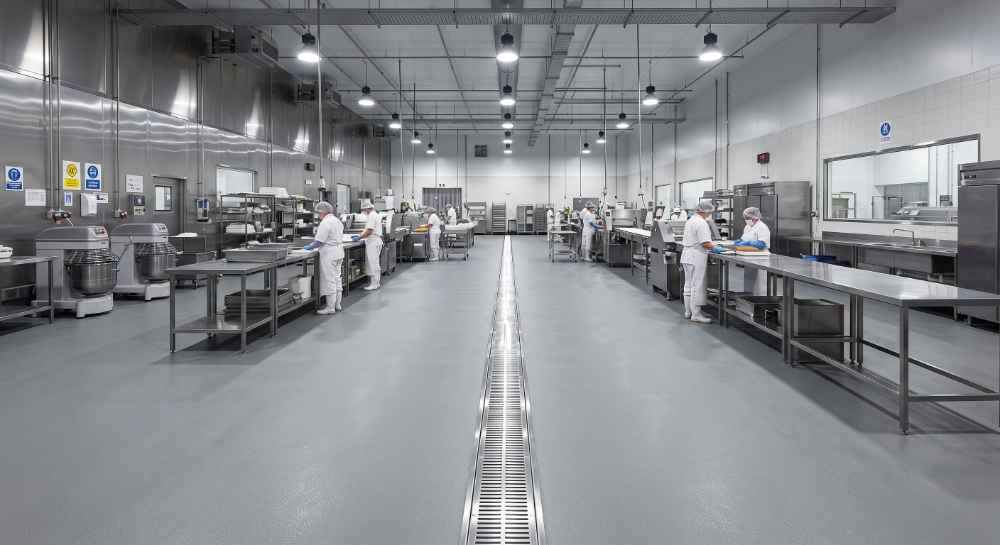
For any food and beverage facility manager, maintaining an immaculate and compliant production environment is a top priority. A foundational element of this standard is ensuring that your facility utilises certified **hygienic flooring** systems to meet strict local sanitation laws. Investing in certified hygienic flooring isn’t just about aesthetics; it plays an absolute, vital role in preventing bacteria contamination, protecting employee safety, and ensuring the overall quality of your products.
Preventing Contamination with Seamless Surfaces
Contamination in the food and beverage industry carries severe consequences, ranging from dangerous foodborne illnesses to incredibly costly product recalls. Unprotected concrete floors are a major source of contamination if they aren’t properly sealed. Bacteria, mould, and other pathogens thrive inside small cracks, deep pits, and grout lines. This makes it essential to install seamless, non-porous **hygienic flooring**. High-performance polyurethane cement flooring provides a dense, impervious layer that is exceptionally easy to clean, wash down, and sanitise rapidly.
Ensuring Employee Safety Underfoot
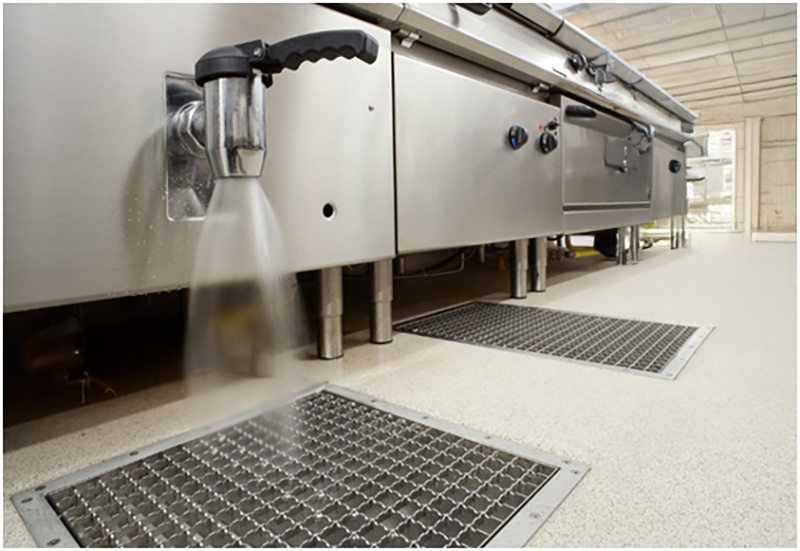
Workplace safety is a critical operational concern. Slippery, uneven, or degraded floors lead to avoidable slips, trips, and injuries in busy washdown zones. Premium polyurethane cement floors are specifically engineered with slip-resistant textures, providing a reliable, high-grip working environment for your team even when wet. Furthermore, these heavy-duty systems comfortably withstand intense forklift traffic, chemical exposure, and physical impacts, drastically reducing your long-term maintenance costs.
Maintaining Product Quality and Compliance
The daily throughput of your facility depends entirely on the cleanliness of your processing floor. Choosing a floor layout that simplifies your nightly pack-down ensures that production spaces remain completely free from airborne contaminants and grime. Adhering to strict, regular cleaning routines—similar to established commercial protocols for maintaining polished concrete floors—keeps your surfaces in top condition. This active maintenance approach guarantees maximum hygiene while extending the operational lifespan of your floor asset.
Hygienic Flooring Options for Modern Facilities
Selecting the correct **hygienic flooring** material is crucial for matching the specific thermal, chemical, and physical demands of your facility. Here is a breakdown of the most common commercial floor systems used across Australia:
- Polyurethane Cement Flooring: Renowned for its extreme durability, thermal shock resistance, and anti-microbial properties, polyurethane cement flooring is the undisputed industry standard for heavy food production zones. It easily withstands hot steam cleaning, heavy machinery, and aggressive organic food acids.
- Epoxy Flooring: Heavy-duty epoxy coatings are highly durable and chemical-resistant, making them perfectly suited for dry packing areas, ingredient storage rooms, and commercial warehouses looking for a seamless, easy-to-clean layout.
- Polished Concrete: This highly durable polished concrete surface is an excellent choice for front-of-house restaurant spaces, cafes, and public dining zones. It is exceptionally long-lasting, smooth, and simple to maintain without requiring intensive scrubbing.
- Acrylic Coatings: While acrylic systems are affordable, fast to apply, and offer decent UV resistance, they lack the chemical and physical strength required for intense processing areas, meaning they demand frequent maintenance and recoating.
- Vinyl Flooring: Commercial vinyl sheets remain a popular choice for light-duty commercial spaces due to their low upfront cost and design variety. However, vinyl is generally a short-term solution for heavy food and beverage production, as the welded seams can split, trap moisture, and lift when exposed to continuous water and heavy traffic.
Secure Your Next Food Safety Audit
Investing in certified, high-grade **hygienic flooring** is a direct commitment to operational excellence and regulatory compliance under national standards like those set by Food Standards Australia New Zealand (FSANZ). By specifying the right resin or cement system and maintaining consistent sanitation schedules, you protect both your staff and your bottom line. To explore deep-dive case studies and professional maintenance advice, browse through Diamond Grind’s other blog posts.
Ready to upgrade your facility with a certified hygienic surface? Contact the industrial flooring experts at Diamond Grind today to schedule a detailed site assessment and get a comprehensive project quote.
FAQ,s

Why is polyurethane cement preferred over standard epoxy in food processing zones?
Food processing areas frequently experience thermal shock—sudden spikes in temperature from boiling washdown water or commercial steam cleaners. Standard epoxy expanded at a different rate than concrete, causing it to crack and delaminate under extreme heat. Polyurethane cement shares a similar expansion rate with the underlying concrete slab, meaning it won’t blister, peel, or crack during hot washdowns.
What is antimicrobial flooring, and how does it protect a facility?
Antimicrobial flooring refers to seamless resin systems (primarily polyurethane cement) that naturally resist the growth of bacteria, fungi, and mold. Because the material is non-porous and installed without joins or grout lines, water and organic waste cannot penetrate the surface. This leaves bacteria with no place to hide or breed, making nightly chemical sanitization incredibly effective.
Can a hygienic floor be installed with integrated coving to the walls?
Yes, absolutely. For maximum food safety compliance, we recommend installing a radiused polyurethane cove skirting that curves smoothly up the base of the wall (typically 100mm to 150mm high). This eliminates the sharp 90-degree corner where the floor meets the wall, preventing grime and stagnant water from accumulating in hard-to-reach areas.
How do you balance slip resistance with ease of cleaning on a food-safe floor?
Food safety regulations require a non-slip floor to keep workers safe on wet or oily surfaces, but if a floor is too rough, it traps dirt and becomes difficult to mop. Professional installers balance this by carefully selecting the size and distribution of non-slip aggregates within the topcoat. This delivers an anti-slip rating that protects staff while still allowing foam cleaners and squeegees to release dirt easily.
✅ Let's Talk — DiamondGrind
100% free consultation — no commitment required.