
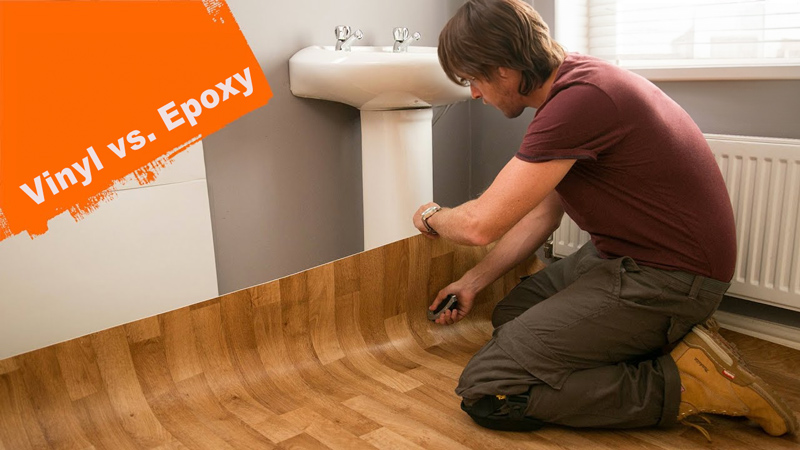
Choosing the wrong floor for a commercial or industrial site is an expensive mistake to fix later. It’s why epoxy flooring vs vinyl flooring comes up so often when facility managers and business owners start planning a refit. Both surfaces get pitched as durable, low-maintenance options, and at a glance they can look like similar products wearing different labels. Once you get into how each one is installed, bonded, cleaned and repaired, the differences become a lot clearer.
Below, we’ve broken down the five areas that matter most in the epoxy flooring vs vinyl flooring decision: installation, bonding, hygiene, maintenance and cost. By the end you should have a much better idea of which surface suits your site.
The Installation Process
Vinyl Installation Requirements
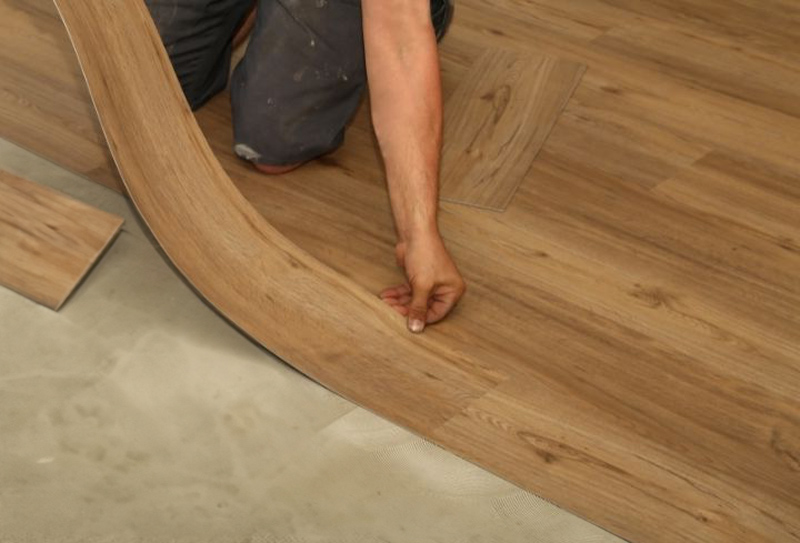
Vinyl flooring needs a specific installation temperature and a smooth, well-prepared substrate. Skip either of those conditions and you risk a poor result that can void the manufacturer’s warranty.
Epoxy Installation Flexibility
Epoxy is far more forgiving on both counts. It handles a wider temperature range during application and copes better with rougher or less-than-perfect surfaces, which gives installers more flexibility on site. That gap in flexibility is often the first thing installers notice when comparing epoxy flooring vs vinyl flooring on a real job.
Adhesion and Bonding
How Vinyl Bonds to Concrete
Vinyl relies on heat-welded seams and adhesives to stay put, and that’s where a lot of its long-term problems start. Moisture vapour rising through a concrete slab is a common cause of adhesive failure in vinyl floors, leading to lifting, bubbling and separated seams.
How Epoxy Bonds to Concrete
Epoxy doesn’t have this weak point. Because it reacts chemically with the concrete itself rather than sitting on top of an adhesive layer, there’s no separate bond to break down over time. It’s one of the clearest points of difference in the epoxy flooring vs vinyl flooring bonding process, and it’s why adhesive failures show up far more often on vinyl jobs than epoxy ones.
Sanitation and Hygiene Standards
Both surfaces turn up a lot in food preparation and processing environments, so hygiene performance matters.
Where Vinyl Falls Short on Hygiene
Vinyl that’s been exposed to heavy traffic, high heat, harsh disinfectants, or a rushed installation tends to curl and crack at the seams. Those gaps become an ideal breeding ground for bacteria and mould.
Why Epoxy Performs Better for Hygiene
Epoxy forms a single, seamless surface that doesn’t absorb moisture, which means there’s nowhere for microbes to establish themselves. That’s a major reason epoxy is the default choice in commercial kitchens, cool rooms and pharmaceutical facilities. This is where the epoxy flooring vs vinyl flooring comparison matters most for food-safe and healthcare environments.
Maintenance: Epoxy Flooring vs Vinyl Flooring
How a floor holds up over years of cleaning is often the deciding factor.
Maintaining Epoxy Floors
Epoxy is genuinely low-maintenance: the smooth, non-porous surface sheds spills and stains rather than absorbing them, and a properly installed epoxy floor can run for decades without peeling or cracking. At Diamond Grind, we install with proven systems from Hychem, EpiMax, Flowcrete, Masterbuilders and other established suppliers, so if you want advice on the right system for your site, get in touch and we’ll talk you through it.
Maintaining Vinyl Floors
Vinyl needs more care to keep its finish. Standard commercial cleaners can strip the sheen, so pH-neutral products are recommended, particularly in high-traffic areas. Even with the right products, vinyl often struggles to keep pace with heavy foot traffic and tracked-in grit over time.
Given all this, most commercial property owners lean towards epoxy. That said, vinyl can still be the right call for some sites, depending on foot traffic, budget and what the space is used for.
Cost-Effectiveness Over Time
Vinyl Repair and Replacement Costs
Upfront price is only half the cost story. Vinyl can’t be refinished, so any damage means cutting out the affected section and replacing it outright. That patch is usually visible, often more expensive per square metre than the original install, and it can mean shutting down part of your facility while the work is done.
Epoxy Lifespan and Long-Term Value
Epoxy holds up differently. A well-maintained epoxy floor, such as one installed with an EpiMax system, needs almost no upkeep for the life of the floor and can last up to 20 years depending on the environment. Spread that lifespan across the install cost and epoxy tends to work out cheaper per year, even where the initial quote is higher. Run the numbers over a full decade and the epoxy flooring vs vinyl flooring cost gap tends to close, or reverse, in epoxy’s favour.
Why Professional Installation Matters
Everything above assumes the concrete preparation and installation were done properly. Get that wrong, and neither surface will perform the way it’s supposed to. There’s no single winner in the epoxy flooring vs vinyl flooring debate — the right choice comes down to your budget, your traffic levels and what the space is used for. What we can say with confidence is that epoxy is the tougher, longer-lasting surface, and cost is really the main trade-off.
Get Expert Advice from Diamond Grind
If you’re still weighing up epoxy flooring vs vinyl flooring for an upcoming project, the surface you land on matters less than the team installing it. You’ll need contractors who can strip out old flooring, grind and level the concrete underneath, and install the new surface correctly the first time. Diamond Grind Commercial and Industrial Flooring works with business facilities of all types and sizes across the sector. Contact us today to talk through the right flooring solution for your site.
FAQ,s

What's the main difference between epoxy flooring and vinyl flooring?
Epoxy bonds chemically to the concrete slab beneath it, forming a single seamless surface. Vinyl sits on top of the concrete, held in place with adhesives and heat-welded seams. That difference is why epoxy generally lasts longer and handles moisture better than vinyl.
Is epoxy flooring more hygienic than vinyl flooring?
Yes, in most commercial settings. Epoxy’s seamless, non-porous surface doesn’t give bacteria or mould anywhere to establish themselves. Vinyl can develop gaps and cracks at the seams over time, especially under heavy traffic or harsh cleaning chemicals, which makes it harder to keep sanitary.
Which is cheaper long term, epoxy or vinyl flooring?
Vinyl usually costs less to install initially, but epoxy tends to work out cheaper over the life of the floor. Epoxy can last up to 20 years with minimal maintenance, while damaged vinyl sections need full replacement, which is often more expensive per square metre than the original installation.
Can epoxy or vinyl flooring be installed over any concrete surface?
Vinyl needs a smooth, well-prepared surface and a specific installation temperature, or the result can be poor and may void the warranty. Epoxy is more forgiving of surface imperfections and works across a wider temperature range, which is why it’s often the preferred option for older or uneven concrete.
✅ Let's Talk — DiamondGrind
100% free consultation — no commitment required.