
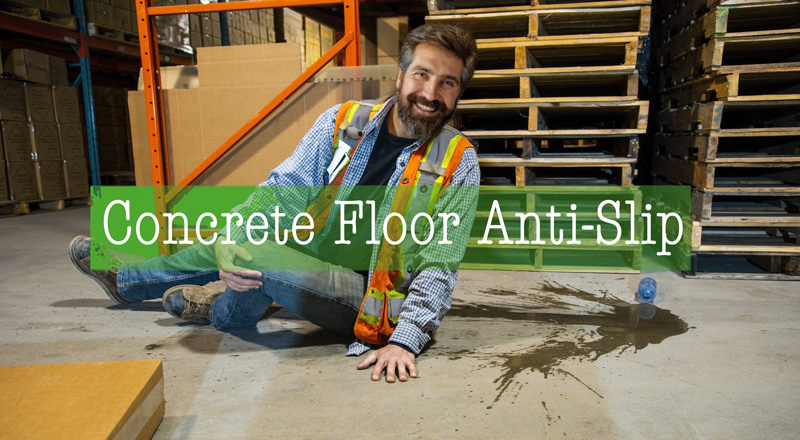
Imagine walking into a bustling commercial kitchen where chefs move swiftly, carrying hot pans and sharp knives. The floor is a hive of activity, with liquid spills and food splashes inevitable.
Now, picture a hectic mechanical garage where oil and grease are part of the daily grind, or a massive industrial warehouse with forklifts zipping around transporting heavy pallets.
Why Concrete Floor Anti-Slip Levels Matter
Slip, trip, and fall accidents represent a massive liability across various commercial industries, often resulting in severe injury claims and costly operational downtime. Statistics highlight that in the commercial food sector, slips and falls account for roughly 86% of total workplace injuries, with a staggering 90% of those occurring due to wet or contaminated floors.
In mechanical services like workshops and heavy-duty garages, airborne oil mists and fluid spills dramatically increase the risk of catastrophic slips. Similarly, high-traffic distribution warehouses face unique challenges when balancing rubber tyre traction for heavy vehicles with foot traffic safety. Specifying the exact level of concrete floor anti-slip grit required for your specific zone can drastically reduce these risks, ensuring a safer, fully compliant environment for your employees and clients alike.
Determining Factors for Choosing the Right Non-Slip Rating
Selecting the ideal non-slip floor profile isn’t a one-size-fits-all process. The ideal texture depends on specific operational habits, exposure profiles, and safety standards.
1. Industry-Specific Demands
- Commercial Food Industry: Production floors in commercial kitchens, bakeries, and food processing plants must withstand constant exposure to hot water, vegetable oils, fats, and organic food debris. High-texture slip-resistant epoxy flooring is highly favoured here due to its seamless nature, chemical resistance, and ability to handle intense washdowns.
- Mechanical & Engineering Services: Maintenance garages and automotive workshops require robust flooring systems that can handle heavy vehicle jacks, resist corrosive brake fluids, and withstand oil spills. Heavy-duty polyurethane cement is incredibly effective in these harsh settings, offering superior chemical resistance and aggressive aggregate profiles to cut through surface oil film.
- Warehousing & Logistics: Rapid traffic movement and heavy pallet loads necessitate a robust, low-maintenance surface. Premium polished concrete combined with specialized anti-slip penetrating sealers provides the necessary traction, high durability, and long-term surface longevity required for busy loading docks.
2. Environmental and Wetness Conditions
- Wet Processing Areas: Micro-environments prone to frequent washdowns, standing water, or chemical drainage—such as wash bays, commercial kitchens, and pool surrounds—benefit from an aggressive slip resistance profile (such as a coarse R11 or R12 slip rating) that channels liquids away beneath footwear to prevent hydroplaning.
- Dry Operational Areas: In consistently dry commercial environments, a less aggressive, fine anti-slip texture is usually sufficient. This effectively balances workplace safety with ease of daily cleaning, avoiding unnecessary wear on cleaning equipment.
The Hidden Operational Benefits of Slip-Resistant Flooring
While most facility managers focus on the immediate safety and liability benefits, investing in a professionally graded non-slip concrete system unlocks several hidden operational advantages:
- Enhanced Workforce Productivity: When staff can move quickly and confidently across a surface without the fear of slipping, workflows speed up naturally. A secure work environment fundamentally reduces staff anxiety, resulting in fewer disruptions and a higher daily output.
- Substantial Long-Term Cost Savings: Specifying premium concrete floor anti-slip coatings saves significant capital over time. It dramatically lowers the likelihood of worker’s compensation claims, decreases insurance premiums, and protects your business from costly SafeWork Australia investigations.
- Absolute Legal Compliance: Australian building codes dictate strict slip resistance standards (such as AS 4586) for public and commercial spaces. Selecting the correct, certified anti-slip level guarantees full compliance, helping your business avoid heavy fines, improvement notices, and legal vulnerabilities.
Partnering with Diamond Grind for Certified Safety
Choosing the correct level of concrete floor anti-slip aggregate is a precise science that balances safety, aesthetics, cleanability, and cost-effectiveness. At Diamond Grind, we specialise in delivering tailored, high-performance flooring solutions engineered specifically for your unique commercial space. Whether your facility requires an aggressive polyurethane cement slurry, a custom-grit epoxy broadcast coating, or slip-enhanced polished concrete, our professional teams ensure your installation meets strict Australian standards.
Explore our other expert technical blog posts to learn more about commercial floor maintenance, or contact the team at Diamond Grind today to discuss your upcoming project and discover how we can elevate your workplace safety.
FAQ,s

What are the standard Australian slip ratings for commercial concrete floors?
In Australia, slip resistance is primarily measured using the Pendulum test (P-ratings from P0 to P5) or the Oil-Wet Ramp test (R-ratings from R9 to R13) in accordance with AS 4586 standards. For example, a dry commercial warehouse typically requires a P3 or R9 rating, whereas highly volatile, wet environments like commercial kitchens or automotive workshops strictly require a more aggressive P5 or R12 to R13 rating to meet local council health codes.
How do you add anti-slip texture to an epoxy or polyurethane floor?
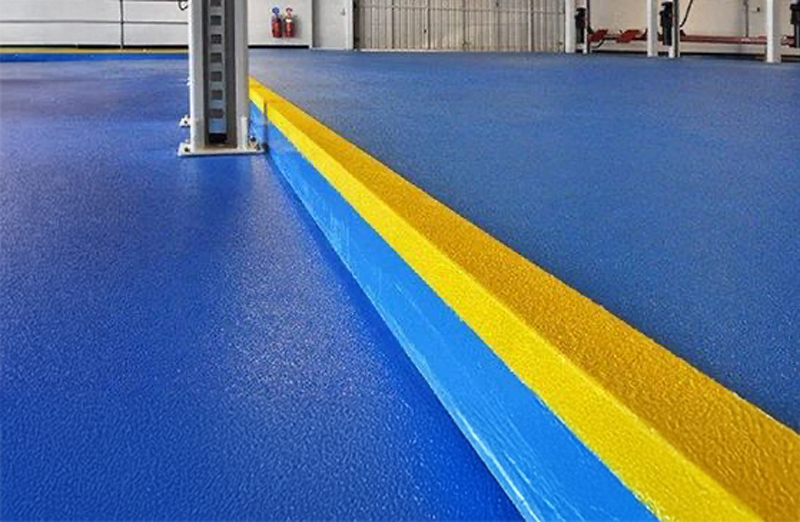
Anti-slip texture is achieved by broadcasting specialised aggregates—such as washed silica sand, quartz, aluminium oxide, or glass beads—directly into the wet base layer of the resin coating. Once cured, the excess aggregate is swept away, and a lock-coat sealer is applied over the top. The size and volume of the aggregate grit determine how coarse or fine the final non-slip profile will be.
Will an aggressive anti-slip floor profile make cleaning harder?
Yes, a higher slip-resistance rating naturally creates a rougher surface texture, which can trap mop fibres and catch dirt more easily than a smooth floor. To balance safety and maintenance, highly textured surfaces (like an R12 kitchen floor) are best cleaned using industrial floor scrubbers, high-pressure washers, or heavy-duty squeegees rather than a standard manual cotton mop.
How often do concrete floor anti-slip coatings need to be reapplied?
In typical commercial or industrial settings, a high-quality resinous anti-slip system will last between 5 to 10 years before requiring a maintenance top coat. The exact lifespan depends entirely on daily traffic volume, the severity of chemical exposure, and your cleaning methods. High-traffic zones—such as forklift loading docks or main kitchen cook lines—will naturally exhibit faster micro-texture wear than peripheral walkways.
✅ Contact Diamond Grind
by Email or 1800 587 172
for an obligation FREE consultation.