
Diamond Grind
Industrial Flooring Blog:
Expert Concrete & Resin Advice NSW
Practical blog guides to help facility managers, builders, and venue owners choose the right commercial surface, prep old slabs, and avoid floor failures.
What Is Polyurethane Cement? The Complete Guide to PU Cement Floors
Explore polyurethane cement floors’ unmatched durability, chemical resistance, and customisation options. Ideal for industrial and commercial settings, this guide covers everything from installation to maintenance, helping you understand why polyurethane cement is the preferred choice for demanding environments.
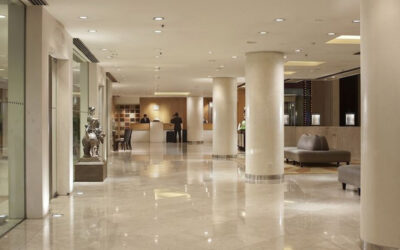
7 Best Shiny Concrete Floor Options for NSW Businesses
Elevate your commercial space with a high-performance shiny concrete floor. Compare the durability, hygiene, and reflective elegance of mechanically polished concrete, high-build commercial epoxy, and heavy-duty polyurethane cement screeds tailored for hospitality, retail, and commercial venues across Sydney and New South Wales.
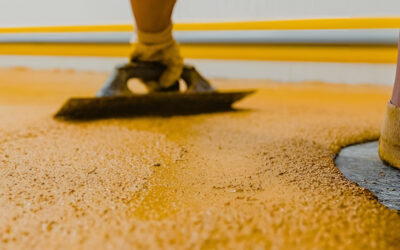
Installing Polyurethane Cement Floors: Everything You Need to Know
Polyurethane cement is a durable and versatile flooring solution ideal for commercial and industrial settings. This article answers common questions about installation, preparation, and maintenance, highlighting the benefits of using professional services to ensure a flawless finish. Discover why polyurethane cement is a top choice for concrete floors and how it can enhance your space.
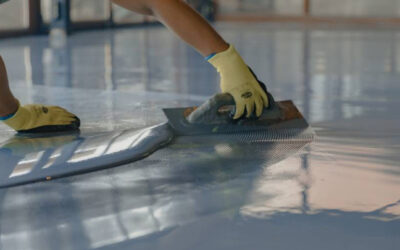
What’s the Difference Between Epoxy Coats and Paints?
Some people think that epoxy coatings and epoxy paints are the same, but they are very different. Yes, they both include the word “epoxy” in their name, but they are not as similar as you might think. If you want to upgrade your cement flooring and are unsure which coating to choose, it would be best to learn more about the differences and advantages of epoxy coats and paints. By the end of this article, we hope you will be able to make the right decision and achieve the desired outcomes.

How to Clean Polished Concrete Floors: A Practical Care Guide
Discover the secrets to maintaining the stunning look of your polished concrete floors! Learn about daily, weekly, and monthly cleaning routines, and find out when to re-polish for a long-lasting, beautiful finish. Read on for expert tips and advice to keep your floors looking their best.
8 Best Benefits of Epoxy and Polyurethane Cement Floors
Comparing commercial floor systems? Discover the top 8 benefits of epoxy and polyurethane cement floors. Learn how seamless high-build epoxy and heavy-duty polyurethane screeds protect concrete slabs against heavy forklift traffic, severe chemical exposure, and thermal shock across Australian industrial facilities.
5 Brilliant Industrial Floor Coating Options for Australian Workspaces
Choosing the correct industrial floor coating is vital for plant safety, chemical resistance, and long-term concrete protection. Compare the performance profiles of commercial epoxy, flexible polyurethane, rapid-cure polyaspartic, light-duty acrylic, and heavy-duty polyurethane cement screeds to specify the exact system for your facility.

Polished Concrete Alfresco living
Transform your outdoor living space with polished concrete alfresco flooring. Discover its durability, stunning finishes, and low maintenance benefits, ideal for patios and verandahs. Achieve a sleek, skid-resistant, and eco-friendly solution tailored to your style.
Why Epoxy Flooring for Hospitality Is the Best Choice
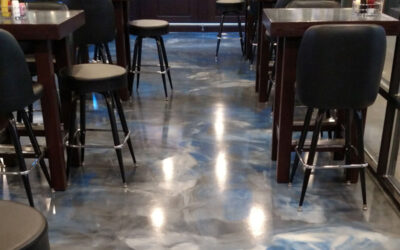
Discover why seamless epoxy flooring for hospitality venues is the top choice for commercial kitchens, bars, and dining rooms. Engineered to handle extreme foot traffic and food spills, commercial epoxy delivers slip-resistant finishes, seamless surfaces that support HACCP hygiene, and long-term durability.
Polyurethane Cement: The Ultimate Food Grade Flooring Solution
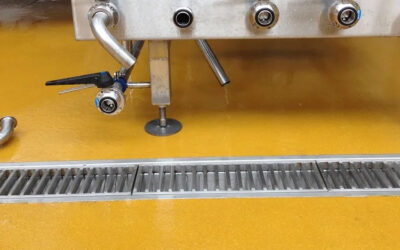
Polyurethane cement is a high-performance screed engineered specifically for demanding commercial kitchens and food processing facilities. Built to withstand extreme thermal shock, hot water washdowns, aggressive organic fats, and heavy wheeled traffic, this seamless floor system forms a dense, non-porous barrier over concrete. Designed to support HACCP programs, polyurethane cement offers high slip resistance, hygienic surface protection, and long-term durability for compliance-heavy food environments.
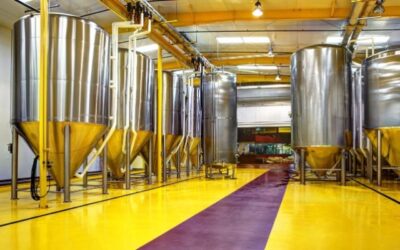
5 Proven Concrete Floor Surfacing Solutions
Transform worn, damaged concrete slabs into durable, low-maintenance surfaces. Our comprehensive guide breaks down professional concrete floor surfacing techniques—comparing cost-effective high-build epoxy, heavy-duty polyurethane cement, and mechanically polished concrete for commercial and residential NSW facilities.

Why Choose Polyurethane Cement Flooring: 4 Reasons From a Real Factory Floor
Discover why polyurethane cement flooring is the top choice for industrial spaces. Follow David’s journey as he selects this durable, weather-resistant, low-maintenance, and hygienic flooring solution for his manufacturing plant. Learn about the meticulous installation process and the long-lasting benefits that make polyurethane cement flooring the perfect foundation for any business.
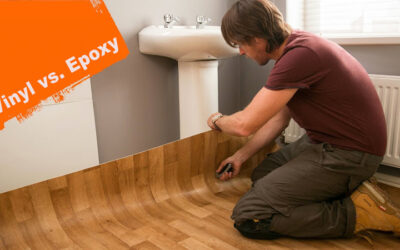
Epoxy Flooring vs Vinyl Flooring: 5 major differences
Choosing the wrong floor for a commercial or industrial site is an expensive mistake to fix later. It’s why epoxy flooring vs vinyl flooring is such a common decision point for business owners and facility managers weighing up durability, hygiene and cost. Here’s how the two actually compare.
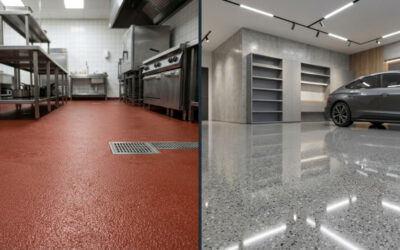
7 Big Differences: Polyurethane Cement vs Polyurethane Sealers
Polyurethane cement and polyurethane sealers are based on polyurethane technology; they serve different purposes and offer distinct benefits. Let’s discuss the differences
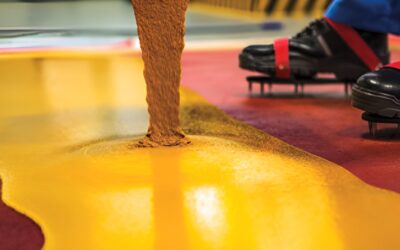
Which is better epoxy or polyurethane cement?
Discover the key differences between epoxy and polyurethane cement coatings for industrial and commercial flooring. Learn about their durability, chemical resistance, aesthetics, and cost to choose the best solution for your facility.

Polished Concrete Floor Pros and Cons
So what is the secret behind concrete floor transformation? If you thought that concrete slabs only serve as a flooring material for basements, utility areas, or patios, you may be surprised by polished concrete. Nowadays, concrete can be seen as a regular home interior flooring surface and looks like the most elegant floor you’ve ever seen.

Commercial Kitchen Epoxy Flooring: The Complete Selection & Maintenance Guide
Commercial kitchen environments present extreme operational demands, from hot grease spills to rigorous chemical sanitisation. Installing commercial kitchen epoxy flooring creates a seamless, non-porous surface built for hygiene-focused kitchens. Learn how durable flooring, slip-resistant finishes, and routine epoxy flooring maintenance combine to protect your workforce and streamline hygiene across the food service industry flooring sector.

HACCP Food Safety Flooring: The Complete Compliance Guide
Non-compliant, cracked, or porous commercial floors are major hazard zones for bacterial growth under HACCP auditing. Discover how specialized HACCP food safety flooring solutions protect food processing facilities with seamless, non-porous resin surfaces that support your HACCP program and make audits easier.
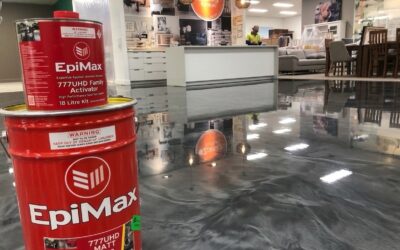
Why Epimax Flooring Solutions Are the Ultimate Industrial Choice
Besides creating an aesthetically pleasing appearance, Epimax flooring solutions also prevent deterioration and contamination, which can cause serious structural damage to concrete. Additionally, Epimax flooring solutions enhance chemical resistance, physical performance, and durability it even makes concrete completely non-slip.
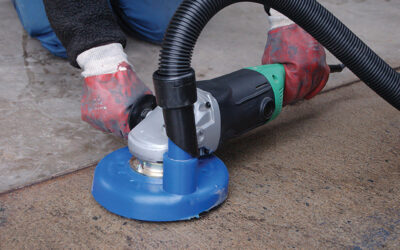
5 Critical Floor Surface Preparation Steps for Concrete
The condition of the concrete floor and its cleanliness are crucial for the durability and adhesion of any coating you decide to apply over it. Bearing this in mind, it is no wonder floor surface preparation plays a major role in this entire process.

Epoxy Flooring at Home: Is It Right for Your Space?
Looking for a durable, seamless alternative to timber, tiles, or polished concrete? Epoxy flooring at home delivers exceptional chemical resistance, effortless cleaning, and custom designer finishes across garages, living spaces, and outdoor areas. Discover the true advantages, minor drawbacks, and critical floor preparation steps before upgrading your residential concrete slab.
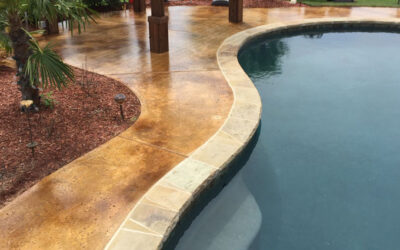
Polished Concrete Around Pool
Your pool space Whether you already have a swimming pool in your garden or are planning to invest in one, it will definitely become a focal point of your yard as soon as it is installed. Because of that, you will pay special attention to the area around it. Using polished concrete around pools is a great way to enhance the function and appeal of your pool area. This space is very important for the pool itself as it provides slip protection […]
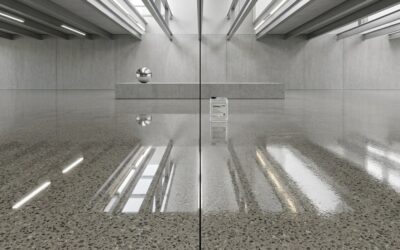
Polished Concrete vs Grind and Seal
Looking for the ultimate floor transformation? Concrete is no longer just a structural slab; it’s a design statement. But choosing between the mirror-like luxury of mechanically polished concrete and the versatile, cost-effective grind and seal finish can be a challenge. In this guide, we break down the unique processes, durability, and square metre costs of each to help you discover the superior choice for your home or business.
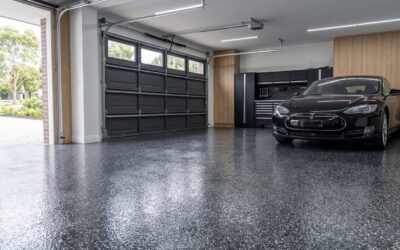
Epoxy Flooring Sydney: 5 Proven System Advantages
Unsealed concrete slabs easily stain, crack, and collect dust. Discover how commercial-grade epoxy flooring in Sydney turns garage floors and commercial spaces into seamless, impact-resistant surfaces built to handle heavy vehicles, chemical spills, and daily wear.
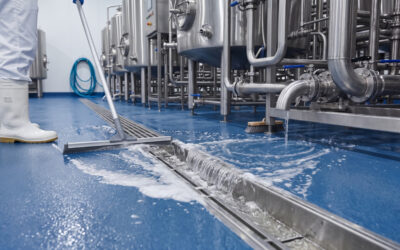
Self Draining Floors
Standing water is a ticking clock for a failed health audit. In busy food and beverage production halls, incorrect floor gradients lead to stagnant pooling, bacterial growth, and dangerous slip hazards. Modern facilities rely on seamless, precision-pitched self draining floors to pull liquids instantly off the surface and straight into the drainage channels. Discover how high-performance polyurethane cement and epoxy systems protect your compliance, safeguard your workers, and slash nightly washdown times.
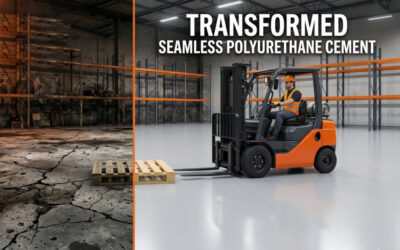
Polyurethane cement over old concrete
Wondering if you can install epoxy or polyurethane cement over old concrete? The answer is yes, but proper preparation is crucial. This article explains the steps needed to ensure a successful installation, from stain removal and moisture checks to professional surface preparation. Whether you choose epoxy for a glossy finish or polyurethane cement for durability, this guide will help you make an informed decision and achieve the best results for your flooring project.

Is Commercial Vinyl or Resin Flooring Better Suited for Bars and Pubs?
Choosing between vinyl or resin flooring for a busy Australian pub or bar comes down to more than just aesthetics. From heavy boots and high heels to continuous beer spills and harsh cleaning chemicals, your floor takes a massive beating. Here is how to pick the right surface to protect your bottom line.
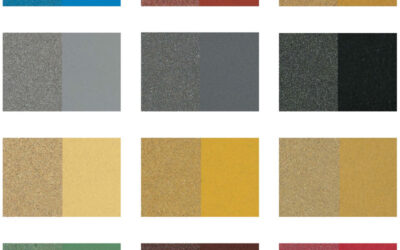
Polyurethane Cement Colour Choices
Think industrial floors have to be dull and grey? Think again. Choosing the right polyurethane cement colour isn’t just about looks—it’s a smart way to brighten your workspace, boost staff safety, and breeze through your next health audit. Here are 3 commercial layout styles that prove your floor can be tough and look fantastic…
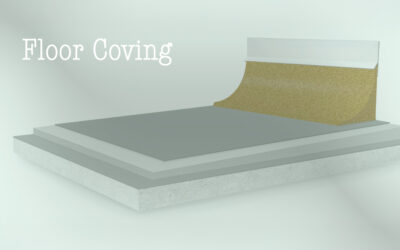
Floor Coving: 6 Important Benefits and Installation Guide
Explore the benefits of floor coving for industrial and commercial spaces, including enhanced hygiene, moisture protection, and durability. Learn about the installation process and why Diamond Grind is your trusted partner for high-quality flooring solutions.
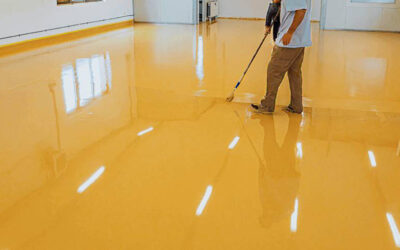
Choosing the right commercial concrete coating
Tired of dull, worn-out concrete surfaces? This comprehensive guide helps you choose the perfect coating to enhance and protect your concrete. Explore the benefits and drawbacks of epoxy, polyurethane cement, acrylic, and more. Learn about durability, UV resistance, ease of application, and maintenance to make an informed decision for your home or business.
✅ Let's Talk — DiamondGrind
100% free consultation — no commitment required.