
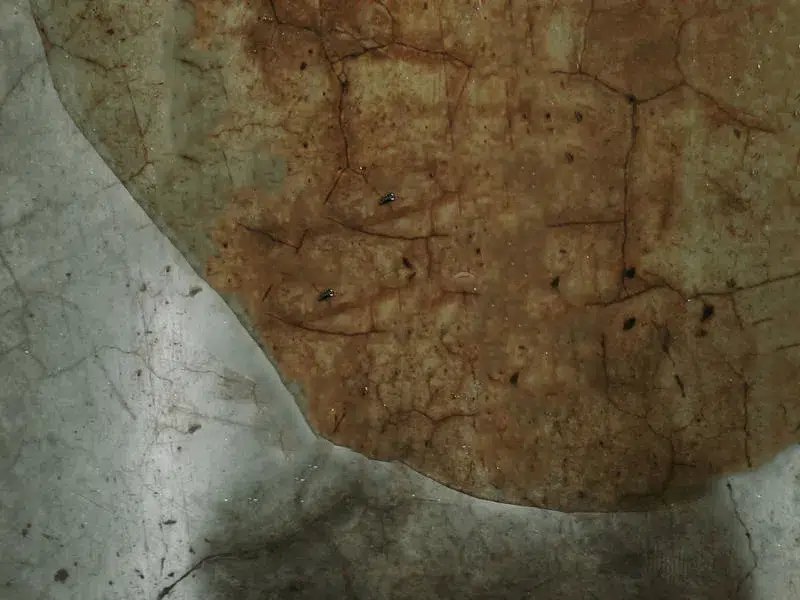
Consequences of Water Leaks Under Concrete
Water is essential for mixing concrete, but once the slab has cured, any wet spots or moisture around it signal a problem. Water leaks under concrete often stem from cracks in the slab or hidden plumbing issues, and their consequences can be serious and costly if ignored.
Most concrete slabs contain steel reinforcement. When water reaches this steel, it triggers corrosion, weakening the slab’s strength and stability. Over time, mould growth on or under the surface can further break down the concrete, damaging your foundation and walls.
The best defence against water leaks under concrete is prevention: maintain your floors in top condition and protect the concrete with a durable surface coating.
Options like polyurethane cement, epoxy coating, or polished concrete create a barrier. Surface moisture stays on top, preventing deeper damage. A quick mop-up keeps everything protected and functional.
Drying out a wet concrete floor can take time, but fixing the source of the leak and applying a new protective flooring ensures long-lasting results.
Water Leaks Under Concrete Can Cause Serious Foundation Damage
Concrete is naturally porous, so water seeps into tiny pores and can cause cracking, shifting, or settling of the foundation. This instability might show up as cracks in your walls or ceilings.
In colder climates, trapped water can freeze and expand, pushing the concrete apart and creating even more instability. Addressing water leaks under concrete early prevents these major structural problems.
Moisture and Mould Growth from Water Leaks
Water leaks under concrete create damp conditions perfect for mould, bacteria, and fungus to thrive. Once started, mould is tough to eradicate and can spread from exterior walls into your home—or vice versa.
Beyond the unpleasant odour and appearance, mould poses health risks and causes lasting building damage. Prevention is far better (and cheaper) than dealing with a full infestation.
Our high-quality epoxy coatings and polyurethane cement include anti-microbial additives that block moisture, prevent mould and bacteria, and keep your space clean and hygienic.
Wet Concrete Can Make Flooring Unusable
Ongoing moisture from water leaks under concrete ruins overlying floors. Wood or vinyl warps and delaminates, while tiles lift, crack, or pop loose due to slab movement—leading to messy and expensive repairs.
In contrast, epoxy and polyurethane cement floors are tough, durable, and low-maintenance. They’re popular in commercial premises for their sleek look, but their real strength is handling tough conditions. Spills or minor water exposure wipes away easily without damage.
Warning Signs of Water Leaks Under Concrete
Don’t ignore these common indicators of water leaks under concrete:
- Mould and Odours: Mould, musty smells, or wet stains on carpets and floors.
- Soggy Soil: Constantly soggy soil in your yard.
- Wall Damage: Warped baseboards or cracks in interior walls.
- Strange Noises: Sounds of running water inside walls.
- Utility Spikes: Unexplained spikes in water or energy bills.
Act quickly if you notice any of these—early intervention saves money and hassle.
Once the leak is repaired and any slab damage fixed, our experts handle complete floor preparation and install premium polyurethane cement, epoxy coating, or polished concrete.
Ready to protect your floors? Simply give us a call or fill in the form on our website!
FAQ,s

What are the main consequences of water leaks under concrete for my home or office foundation?
Water leaks under concrete can cause serious foundation damage because concrete is porous, allowing water to fill pores and lead to cracking, shifting, and settling. This might show as cracks in walls or ceilings. In colder climates, freezing water expands, pushing the concrete outward and creating instability with potential long-term structural issues.
Water leaks under concrete can cause serious foundation damage because concrete is porous, allowing water to fill pores and lead to cracking, shifting, and settling. This might show as cracks in walls or ceilings. In colder climates, freezing water expands, pushing the concrete outward and creating instability with potential long-term structural issues.
How do water leaks under concrete lead to mould growth and health problems?
Water leaks under concrete create damp conditions ideal for fungus, bacteria, and mould to thrive on or beneath the surface. Once started, mould is hard to stop and can spread from exterior walls to interiors, causing unpleasant smells, health risks, and building damage. Prevention with anti-microbial coatings is recommended over dealing with an infestation.
Water leaks under concrete create damp conditions ideal for fungus, bacteria, and mould to thrive on or beneath the surface. Once started, mould is hard to stop and can spread from exterior walls to interiors, causing unpleasant smells, health risks, and building damage. Prevention with anti-microbial coatings is recommended over dealing with an infestation.
Can water leaks under concrete damage my existing flooring, and how?
Yes, ongoing water leaks under concrete make flooring unusable. Materials like wood, vinyl veneer, and tiles can warp, delaminate, lift, or crack due to excess moisture and slab movement, leading to costly repairs or replacements. Protective options like epoxy or polyurethane cement flooring are more durable and resist such damage.
Yes, ongoing water leaks under concrete make flooring unusable. Materials like wood, vinyl veneer, and tiles can warp, delaminate, lift, or crack due to excess moisture and slab movement, leading to costly repairs or replacements. Protective options like epoxy or polyurethane cement flooring are more durable and resist such damage.
What early warning signs should I look for to detect water leaks under concrete?
Common signs of water leaks under concrete include mould, musty smells, wet stains on floors or carpets, constantly soggy yard soil, warped baseboards, cracks in interior walls, sounds of running water between walls, or unexplained spikes in water and energy bills. Acting quickly on these can prevent more severe damage.
Common signs of water leaks under concrete include mould, musty smells, wet stains on floors or carpets, constantly soggy yard soil, warped baseboards, cracks in interior walls, sounds of running water between walls, or unexplained spikes in water and energy bills. Acting quickly on these can prevent more severe damage.
✅ Let's Talk — DiamondGrind
100% free consultation — no commitment required.