
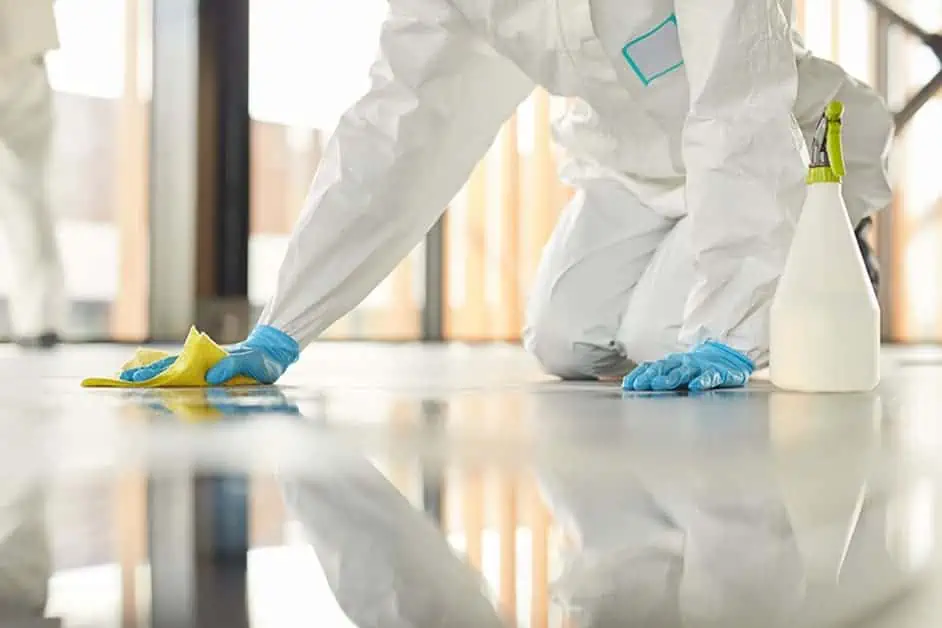
At Diamond Grind, we engineer and install trade-grade seamless resin systems tailored to demanding industrial conditions. While both options form an impermeable, protective barrier over raw concrete, high-build epoxy coatings and heavy-duty polyurethane cement screeds offer distinct physical strengths depending on your workspace environment.
Understanding the Difference Between Epoxy and Polyurethane Cement
Before examining their shared advantages, it is essential to distinguish between these two high-performance resin chemistries:
- Industrial Epoxy Flooring: Formulated by combining epoxy resin with hardeners, epoxy forms a dense, rigid surface with high compressive strength. It is ideal for dry manufacturing zones, warehouses, retail spaces, and aircraft hangars subject to heavy vehicle traffic and general chemical spills.
- Polyurethane Cement Screeds: Also known as PU cement or cementitious urethane, this system blends polyurethane resin with engineered cement aggregates. Applied at a higher build thickness (3mm to 9mm+), it is specifically designed to handle extreme thermal shock, steam cleaning, as well as harsh organic acids in wet processing environments.
8 Key Benefits of Epoxy and Polyurethane Cement Floors
Combining high-build resin technology with professional concrete installation delivers major operational advantages for Australian commercial facilities:
1. Exceptional Mechanical Durability and Impact Resistance
Bare concrete slabs are prone to surface dusting, spalling, and cracking under point loads. Specifying commercial epoxy and polyurethane cement floors creates a dense, wear-resistant barrier capable of enduring continuous heavy forklift traffic, steel-wheeled trolleys, and heavy machinery without chipping or gouging.
2. Thermal Shock and Temperature Resistance
While standard epoxy coatings can blister under extreme heat, heavy-duty polyurethane cement shares a similar thermal expansion rate to underlying concrete. This unique property enables polyurethane cement screeds to withstand severe temperature swings and boiling water washdowns up to 120°C without cracking or delaminating from the slab.
3. Outstanding Chemical and Fat Resistance
Industrial processing zones routinely expose floors to harsh chemicals, petroleum fuels, solvents, and aggressive organic fats. Resin floor systems prevent these substances from penetrating the porous concrete substrate. Polyurethane cement, in particular, offers superior resistance against lactic acids, fruit concentrates, and harsh cleaning sanitizers.
4. Seamless Hygiene and HACCP Compliance
Traditional tiled floors rely on porous cementitious grout lines that trap grease, moisture, and bacteria. The seamless, non-porous finish of epoxy and polyurethane cement floors eliminates seams where contaminants accumulate. This creates an easily sanitised surface that complies fully with Food Safety Australia and HACCP compliance standards.
5. Certified Anti-Slip Safety for Workers
Slip-and-fall accidents present significant liability risks in commercial environments. Both resin systems can be customised during application with graded anti-slip aggregates (such as silica sand or aluminium oxide) to achieve certified P4 or P5 slip ratings under Australian Standards (AS 4586), ensuring traction even in wet processing bays.
6. Rapid Turnaround Times to Minimize Downtime
Facility downtime directly impacts profitability. Modern resin chemistries—including fast-cure epoxy and rapid polyaspartic topcoats—allow rapid curing. Polyurethane cement screeds often permit light foot traffic within 12 hours and full mechanical forklift use within 24 hours, allowing installation over weekend windows.
7. Long-Term Lifecycle Value and Low Maintenance
While low-cost floor paints require frequent recoating, heavy-duty resin systems offer a service life ranging from 10 to 20 years under demanding conditions. Their seamless finish makes daily sweeping, automatic scrubbing, and chemical washdowns fast and low-cost, reducing long-term facility overheads.
8. Versatile Aesthetics and Functional Zone Marking
Resin flooring provides functional visual flexibility. Available in a wide variety of solid trade colours, decorative flake blends, and safety pigments, business owners can easily integrate bright safety walkways, hazard zone boundaries, and custom company branding directly into the durable floor finish.
Professional Substrate Preparation: The Key to Longevity
A resin floor system is only as strong as its bond to the underlying concrete matrix. Applying coatings over unground, weak, or oil-contaminated concrete guarantees premature peeling and delamination under heavy industrial traffic.
At Diamond Grind, our installation process always begins with thorough mechanical surface preparation using dust-free diamond grinding or shot-blasting to establish the correct Concrete Surface Profile (CSP). We repair cracks, chase keyways around drains, and test for moisture before applying high-grade primers and topcoats.
For existing floors that are worn, chipped, or stained, our trade team provides specialised restoration services, grinding back failing coatings and reapplying high-performance epoxy and polyurethane cement floors to return slabs to pristine condition.
Partner with NSW’s Industrial Flooring Specialists
Selecting between epoxy coatings and heavy-duty polyurethane cement depends on your specific traffic patterns, chemical exposure, and thermal requirements. Consulting experienced trade applicators ensures your installation complies fully with Australian Building Codes and workplace health standards.
Diamond Grind delivers complete, end-to-end industrial flooring solutions—from mechanical diamond grinding to custom resin application—for commercial clients across Sydney, Newcastle, and the Central Coast. Installing durable epoxy and polyurethane cement floors is one of our primary core specialties.
To evaluate your facility’s requirements or request an on-site technical inspection, contact our team today via our contact page.
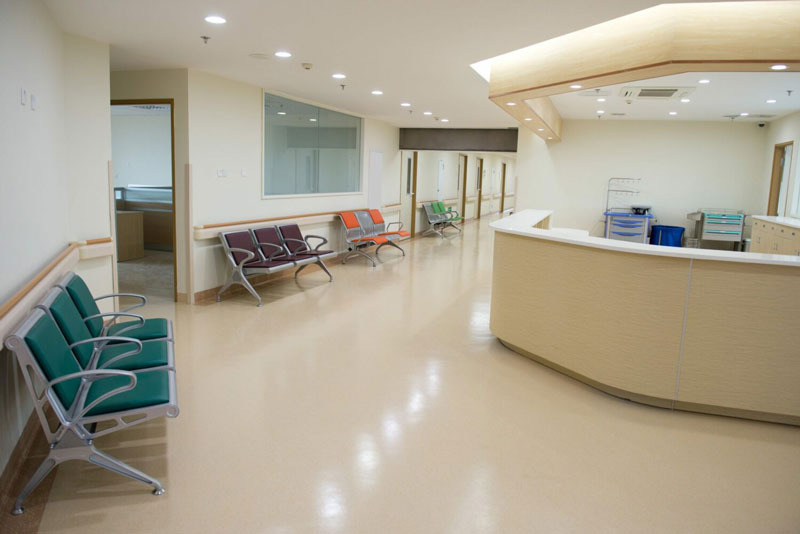
FAQ,s

What is the main difference between epoxy and polyurethane cement floors?
Epoxy flooring creates a hard, rigid surface with excellent compressive strength and abrasion resistance, making it ideal for dry warehouses and general industrial areas. Polyurethane cement combines resin with cementitious aggregates for a thicker build that handles severe thermal shock (up to 120°C), boiling water washdowns, and aggressive organic acids in wet food processing zones.
Are epoxy and polyurethane cement floors safe for commercial food processing facilities?
Yes. Both systems create an impervious, completely seamless surface with no grout lines or joins to harbour bacteria, mould, or grease. They meet strict HACCP hygiene guidelines and Australian food safety regulations.
Can anti-slip textures be added to epoxy and polyurethane cement floors?
Yes. Custom anti-slip aggregates such as aluminium oxide or quartz sand can be embedded into the surface during application to achieve certified slip ratings (up to P5 under AS 4586), ensuring worker safety in wet or oily areas.
How long do epoxy and polyurethane cement floors take to cure before heavy use?
Polyurethane cement screeds generally allow foot traffic within 8 to 12 hours and heavy forklift use within 24 hours. Standard industrial epoxy systems typically cure for foot traffic in 24 hours and achieve full chemical/heavy vehicle cure within 48 to 72 hours.
✅ Let's Talk — DiamondGrind
100% free consultation — no commitment required.