
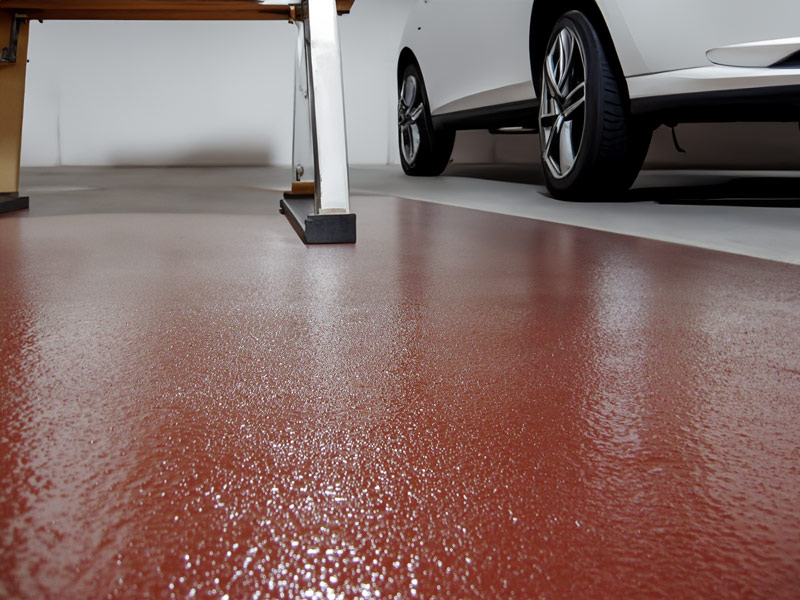
Heavy-Duty Flooring for Severe Industrial Environments
Standard epoxy coatings and unsealed concrete slabs frequently fail in high-stress commercial spaces. When subjected to boiling water, aggressive acid spills, or heavy impact, traditional surfaces crack, blister, and peel. A heavy-duty polyurethane cement flooring system—also known in the trade as a urethane cement floor—is engineered specifically for these hostile environments.
Unlike thin film coatings, polyurethane cement combines high-performance resin with a cementitious quartz aggregate matrix. This blends the structural durability of concrete with the chemical and thermal resistance of polyurethane. The result is a seamless, non-porous topping applied directly over prepared concrete to deliver maximum chemical, thermal, and mechanical endurance.
8 Structural Advantages of a Urethane Cement Floor
1. Exceptional Thermal Shock Resistance
Thermal shock occurs when a cold floor is suddenly hit with extreme heat, such as hot oil spills or steam cleaning washdowns in commercial kitchens. Standard epoxies expand and contract at a vastly different rate than the underlying concrete slab, leading to debonding. Urethane cement matches the thermal expansion coefficient of concrete, allowing it to withstand temperature fluctuations ranging from sub-zero freezers up to 120°C without cracking or lifting.
2. Extreme Chemical and Acid Resistance
Food processing, beverage production, and commercial cooking produce aggressive organic acids (such as lactic, citric, and acetic acids) that eat through standard concrete. Polyurethane cement provides an impermeable barrier against fats, oils, caustics, and sanitising chemicals, including heavy-duty peroxyacetic acid solutions used in food production washdowns.
3. Mechanical Impact and Abrasion Strength
In heavy industrial facilities, floors endure constant point loads from steel-wheeled trolleys, loaded forklifts, and dropped tools. Urethane cement systems feature exceptional compressive strength and flexibility, absorbing heavy mechanical impacts without chipping or fracturing.
4. Certified Hygienic and Seamless Protection
Health authorities and HACCP guidelines require non-porous surfaces in commercial food spaces. Because a urethane cement floor cures as a completely seamless surface with no grout lines or joins, bacteria, fungal spores, and dirt have nowhere to hide. Integrated coving can also be swept directly up the walls to eliminate harborages at the floor-wall junction.
5. Customizable Anti-Slip Finishes
Safety is critical in wet, oily work environments. Urethane cement can be installed as a self-levelling smooth topcoat or broadcast with heavy aggregate to achieve customized slip-resistance ratings (up to P5 under Australian standards). This keeps staff safe even when the floor is covered in water or organic fats.
6. Low Odour and Low VOC Application
Many commercial retrofits take place in active facilities where solvent fumes can contaminate nearby products. Polyurethane cement systems are solvent-free and feature low Volatile Organic Compound (VOC) emissions, making them safe to install near food prep zones without toxic fumes lingering in the ventilation system.
7. Rapid Installation and Damp-Slab Curing
Minimizing site downtime is crucial for commercial operations. Urethane cement cures rapidly and can tolerate high moisture vapor emissions from underlying concrete. It can even be applied over green concrete as young as seven days old, significantly cutting down construction schedules compared to traditional coatings.
8. Long-Term Cost Value
While the initial investment in polyurethane cement is higher than basic epoxy paint, its lifecycles far outlast temporary fixes. By avoiding premature floor failure, constant patch repairs, and costly operational shutdowns, a urethane cement floor delivers the lowest total cost of ownership over its lifespan.
Primary Industrial Applications
- Commercial Kitchens & Food Processing: Handles boiling oil splashes, steam wand washdowns, and continuous heavy foot traffic while meeting HACCP requirements.
- Beverage & Brewing Facilities: Resists continuous moisture, fruit acids, alcohol spillage, and heavy keg impacts.
- Chemical Workshops & Processing Plants: Protects structural concrete slabs from aggressive caustics, oils, and chemical reagents.
- Cold Storage & Blast Freezers: Endures sub-zero temperatures without becoming brittle or delaminating from thermal contraction.
Engineered Solutions: DiamondCrete PU Cement
At Diamond Grind, we don’t just install commercial systems—we manufacture our own specialized product line. Our proprietary DiamondCrete PU Cement system is formulated specifically for harsh Australian operating conditions, offering superior thermal shock protection, custom anti-slip profiles, and a full range of heavy-duty performance colours.
Before applying any coating, we execute thorough mechanical floor preparation via heavy diamond grinding or shot blasting to ensure an unbreakable bond between the slab and topcoat. Whether you require a high-build trowel system or a broadcast flake finish, our licensed specialists deliver pristine industrial floors across Sydney, the Central Coast, and greater NSW.
Contact the Diamond Grind team today to evaluate your site conditions and request a comprehensive quote.
FAQ,s

What is the main difference between an epoxy floor and a urethane cement floor?
Epoxy coatings are rigid film-forming resins that excel at aesthetic light-to-medium duty applications. However, epoxy struggles with high heat, boiling washdowns, and harsh organic food acids. A urethane cement floor combines polyurethane resin with cementitious aggregates, allowing it to handle extreme thermal shock (up to 120°C), heavy chemical exposure, and intense mechanical impacts that would ruin standard epoxy.
How thick is a polyurethane cement floor installed?
Depending on the operational demands of the facility, polyurethane cement is typically installed between 3mm to 9mm thick. Thinner self-levelling broadcast systems (3mm–4mm) are common in light commercial spaces, while 6mm to 9mm heavy-troweled mortar systems are required for facilities using hot water washdowns, steam cleaning, or heavy forklift traffic.
How long after installation before a urethane cement floor can accept traffic?
Polyurethane cement features very fast cure times. Most formulations accept light foot traffic within 12 to 14 hours of application, and can return to full operational capacity (including heavy equipment and hot chemical washdowns) within 24 to 48 hours.
Can polyurethane cement be applied on damp or green concrete?
Yes. Unlike traditional epoxies that require concrete to cure for at least 28 days and have a low moisture tolerance, polyurethane cement is breathable and moisture-tolerant. It can safely be installed over concrete as young as 7 days old or over slabs with high moisture vapor emission rates without risking delamination.
✅ Let's Talk — DiamondGrind
100% free consultation — no commitment required.